The short answer: do not use human hair clippers on dogs. While they may look alike, human clippers and dog clippers are engineered for entirely different coat types. Using the wrong tool can cause pain, skin injury, and lasting stress for your pet. This guide explains the risks clearly and shows you how to groom your dog effectively with the right equipment.
Why Human Hair Clippers Are Not Safe for Dogs
Dog fur is structurally different from human hair. It is denser, coarser, and often layered — particularly in double-coated breeds such as Huskies, Golden Retrievers, and German Shepherds. Human clippers are built for fine, single-layer hair and cannot power through thick fur without snagging or jamming.
Key problems that arise when using human clippers on dogs:
| Issue |
What Happens |
Risk to Your Dog |
| Blade design mismatch |
Blades snag and pull fur instead of cutting cleanly |
Pain, matting, coat damage |
| Motor overheating |
Not designed for extended use on thick coats |
Burns on skin from hot blades |
| Excessive noise and vibration |
Human clippers run louder and vibrate more |
Anxiety, fear of future grooming |
| Blade gap too narrow |
Cannot handle matted or layered fur |
Pulling, tearing, skin nicks |
| No variable speed |
Fixed speed unsuitable for different coat areas |
Uneven cuts, increased skin risk |
Dog Clippers vs. Human Clippers: The Core Differences
Understanding the engineering differences makes the risk concrete. Dog clippers from manufacturers like a professional China pet grooming manufacturer are built with motors rated for continuous operation, wider blade gaps to feed thick fur, and low-noise designs to keep pets calm. Human clippers lack all three.
Dog Clippers
- High-torque motor for dense coats
- Skip-tooth and fine-tooth blade options
- Low vibration, reduced noise
- Blade coolant compatibility
- Adjustable speed settings
- Built for sessions lasting 30–60+ minutes
Human Clippers
- Motor designed for fine, light hair only
- Narrow blade gap, single blade type
- Higher noise and vibration output
- Overheats within minutes on thick fur
- Typically single-speed
- Intended for short grooming sessions
What Clippers Actually Work for Dogs
Professional groomers rely on brands such as Wahl, Andis, and Oster. The Wahl KM10, for example, is a standard in many grooming salons. Blades are numbered: a No. 10 blade is the common starting blade included with most kits; a No. 4 blade leaves a longer, plush finish suitable for most pet trims; a No. 40 blade is used only for surgical-level close clips by veterinary staff.
When shopping for dog clippers, look for:
- Cordless operation for flexibility around legs and underbelly
- Quiet / low-vibration motor (below 60 dB if possible)
- At least two speed settings
- Compatibility with guide combs for length control
- Ceramic or stainless steel blades for durability and heat resistance
Step-by-Step: How to Groom Your Dog Safely at Home
1
Bathe and dry first. Wet fur causes uneven cuts and can damage blades. Use a quality smart pet dryer or a pet blower from a reliable smart pet blower factory to ensure the coat is fully dry before clipping. A professional-grade dryer straightens the coat and makes cutting significantly easier.
2
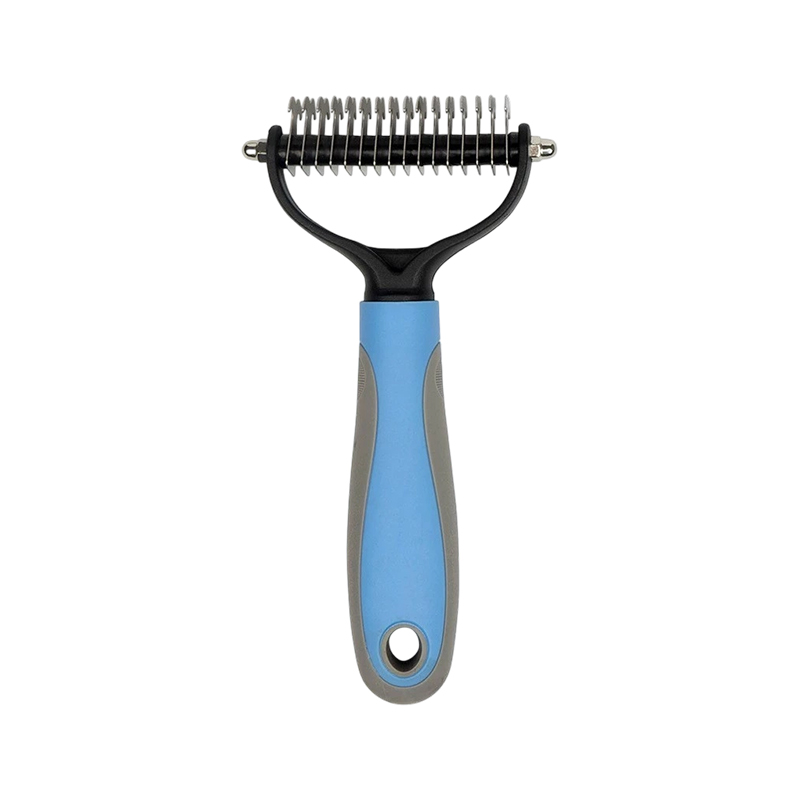
Brush thoroughly. Remove all mats and tangles before the clippers touch the coat. A de-matting comb or slicker brush works well. Skipping this step is the leading cause of painful snagging during grooming.
3
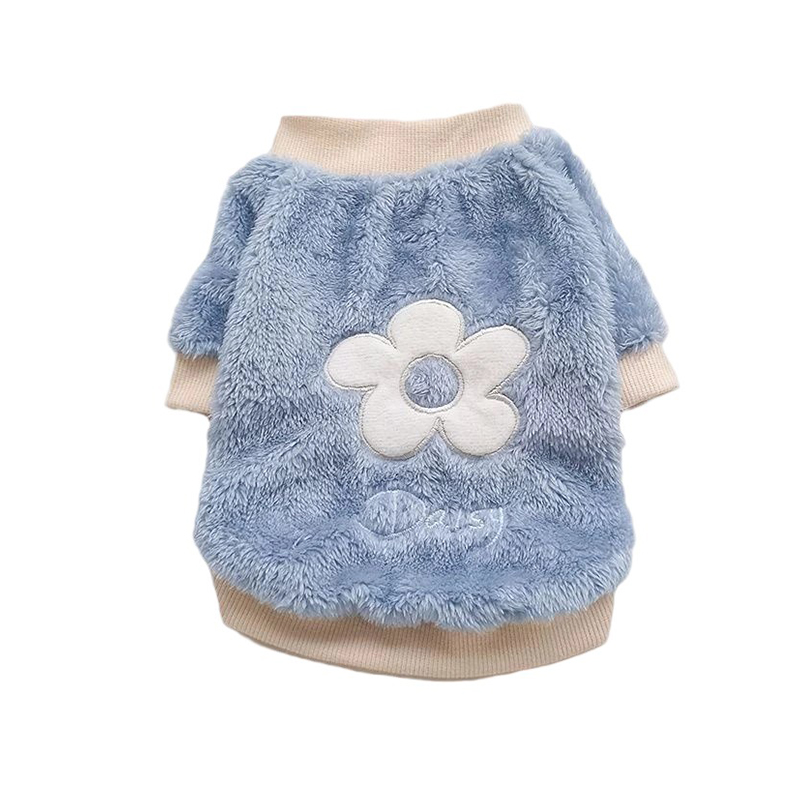
Let your dog hear the clippers first. Turn them on at a distance and reward calm behavior with treats. If your dog wears dog cat clothes or a comfort wrap during grooming, this can also help reduce anxiety.
4
Work from neck to tail. Clip in the direction of hair growth using slow, even strokes. Keep the blade parallel to the skin. Attach guide combs to control length on the body; switch to freehand around the face and paws.
5
Cool the blades every 5–10 minutes. Use blade coolant spray and check blade temperature against your wrist before pressing it to the coat. Hot blades cause burns even if the dog does not react immediately.
6
Finish with rewards and a clean-up. Offer treats and play with dog cat toys to create a positive end to the session. Use a pet dog cat electric vacuum cleaner to quickly collect loose fur from the grooming area.
Breeds That Need Special Clipping Attention
Not all dogs should be clipped the same way. Some coats are sensitive to improper grooming and require specific blade types or techniques.
| Breed Type |
Coat Characteristic |
Clipper Recommendation |
| Double-coated (Husky, Malamute) |
Dense undercoat plus guard hairs |
Skip-tooth blade, never shave fully |
| Curly / wavy (Poodle, Doodle) |
Fast-growing, tangle-prone |
Fine-tooth blade, brush frequently |
| Short single coat (Beagle, Dalmatian) |
Low maintenance, minimal clipping |
Trimming shears or light clipper pass |
| Wiry / terrier coat (Schnauzer, Terrier) |
Dense, harsh texture |
High-torque clipper, skip-tooth blade |
| Silky long coat (Maltese, Yorkie) |
Fine but long, mats easily |
Fine-tooth blade with guide comb |
The Right Grooming Setup Makes Everything Easier
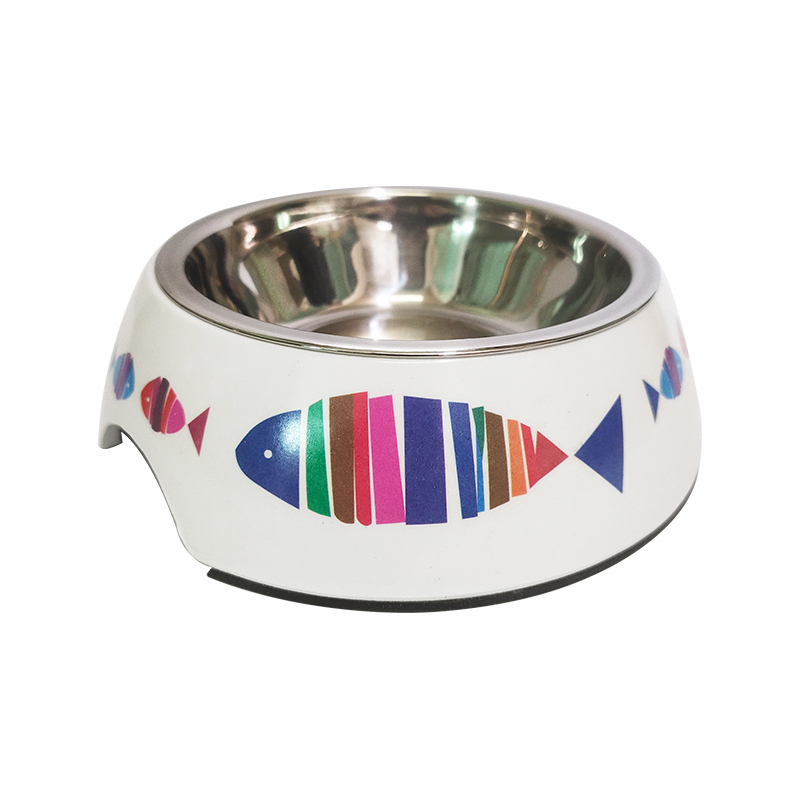
A safe grooming experience at home depends on more than just the clippers. A stable, non-slip grooming surface keeps your dog steady. A dog leash or grooming loop attached to a fixed point prevents sudden movement that could lead to cuts. After the session, dog cat feeding bowls filled with fresh water and a treat placed in a cat dog water feeding station signal to your dog that grooming is followed by something pleasant — reinforcing calm behavior over time.
If your dog becomes highly stressed, consider investing in a dog massage roller for pre-session relaxation. For dogs that resist being handled, a dog harness from a reputable dog harness factory can help you safely position them during grooming without restraining them forcefully.
Dogs that are groomed from an early age, placed in a familiar space such as their regular dog cage beforehand for calming, and handled gently tend to tolerate clipping far better over time. A pet bath bubble machine used before clipping can also make the pre-grooming bath more enjoyable, reducing overall resistance to the routine.
When to See a Professional Groomer
Home grooming with the right dog clippers is absolutely achievable for most pet owners. However, certain situations call for a professional:
- Severely matted coats that would require painful de-matting under the clipper
- Dogs with skin conditions or wounds in the grooming area
- Breeds with complex styling requirements (show cuts, breed-standard trims)
- Dogs with extreme anxiety that do not respond to desensitization
Even if you groom at home most of the time, a professional session every 3–4 months ensures the coat stays healthy and gives you a baseline to maintain between visits.



 English
 Español
 عربى
عربى Deutsch
 русский
 Français







 No.13-1, Haikou Village, Xidian Town, Ninghai Country, Ningbo, China.
  +86 13867893287
  [email protected]