


 English
 Español
 عربى
عربى Deutsch
 русский
 Français
What is a Pet Water Feeder?
Content
A Comprehensive Guide to Pet Water Feeders
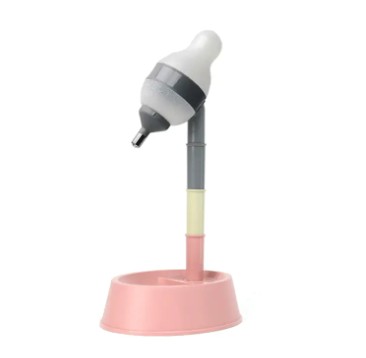
1. Definition and Core Functions
A pet water feeder is an automatic water supply device designed specifically for small animals such as dogs and cats. It continuously provides pets with fresh, clean drinking water through an internal water bottle or tank, helping them maintain normal digestive function, body temperature regulation, and metabolic balance. Compared to traditional bowl-type water dispensers, water feeders prevent the water source from being exposed to air for extended periods, significantly reducing the risk of bacterial growth.
2. Common Materials and Advantages/Disadvantages
| Material | Advantages | Disadvantages | Typical Use Cases |
| Plastic (Food‑grade PP/PE) | Lightweight, low cost, easy to mold | May develop scratches over time, bacteria can adhere to surface | Everyday home use, travel, portable setups |
| Stainless Steel | Corrosion‑resistant, easy to clean, odor‑free | Heavier, higher price | High‑end pet stores, households with strict hygiene requirements |
| Ceramic | Good heat retention, aesthetically elegant | Fragile, heavy | Indoor decorative settings such as living rooms or studies |
3. Product Advantages of Ningbo WellTrop
Ningbo WellTrop Industrial Products Manufacturing Co., Ltd. has complete injection molding, metal processing, and sewing workshops, enabling a high degree of customization in material selection, structural design, and surface treatment. The company is ISO9001 certified, ensuring that every pet water feeder undergoes rigorous pressure resistance, leakage, and corrosion resistance tests before leaving the factory, meeting domestic and international pet product safety standards.
4. Versatile Application
Home Use: The automatic water refill function eliminates the need for frequent refills, ideal for busy working professionals.
Pet Shops/Boarding Centers: The large-capacity water tank with zoned water supply can meet the needs of multiple pets simultaneously.
Travel/Camping: The lightweight plastic design with a detachable water bottle makes it easy to carry and allows for quick refills.
How does the water dispenser's internal filtration system work?
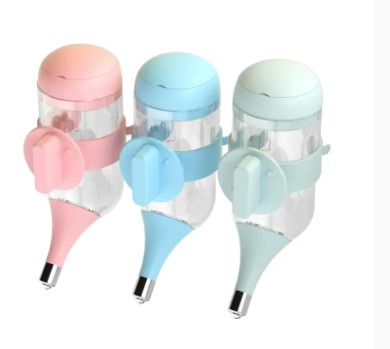
1. The Principle of the Multi-Layer Filtration Structure
Activated Carbon Layer: Utilizes its porous structure to adsorb chlorine, odors, and some organic matter in the water, improving taste.
Fiber Layer (Polyester/Polypropylene): Intercepts suspended particles (such as hair and dust), preventing clogging of the subsequent filter.
Microporous Filter (0.2µm–0.5µm): Filters bacteria, protozoa, and some viruses, ensuring the safety of the microorganisms in the output water.
2. Two Modes: Circulating Water Supply and Gravity Water Supply
Gravity Water Supply: The water tank is placed in a high position, allowing water to flow naturally into the filter bottle and then into the drinking bowl. The structure is simple and noiseless.
Circulating Water Supply: The built-in micro-pump draws water into the filter bottle for circulation, suitable for scenarios requiring a constant water flow or long-distance water supply.
3. Self-Cleaning and Easy Replacement
Removable Filter Bottle: Users can easily remove the bottle by rotating or snapping it off to empty the old water and rinse.
Quick Filter Cartridge Replacement: The filter cartridge uses a slot-type design, allowing for one-handed replacement and lowering the maintenance threshold.
4. Ningbo WellTrop's Technological Innovation
High-Precision Stainless Steel Filter Screen: The company's self-developed laser cutting technology ensures extremely uniform pore size distribution in the filter screen, improving filtration efficiency by approximately 15%.
Upgraded Activated Carbon Formula: By adding natural coconut shell charcoal and silver ion antibacterial agents, the lifespan of the filter cartridge is significantly extended (up to 30 days per replacement).
Modular Design: Filter bottles of different capacities and materials can be freely combined to meet diverse needs, from small pets to large dogs.
How to Clean the Filter Bottle and Filter Cartridge?
| Step | Operation Details | Precautions |
| Disassemble the filter bottle | Turn off power or valve → rotate counter‑clockwise or press the latch to remove the filter bottle from the main unit | Handle gently to avoid deforming the bottle or latch |
| Remove the filter cartridge | Unscrew counter‑clockwise and pull the cartridge upward | Ensure the cartridge is fully detached to prevent residue falling into the bottle |
| Preliminary rinse | Hold the cartridge under running water to wash away loose dirt on the surface | Direct the water flow opposite to the cartridge’s internal flow direction to prevent re‑entrainment of debris |
| Soak (optional) | Submerge the cartridge in warm water (30‑40 °C) with a small amount of neutral detergent or white vinegar for 5‑10 minutes | Do not use strong acids, bases, or bleach to avoid damaging activated carbon or the filter membrane |
| Brush cleaning | Use a soft‑bristled brush (e.g., tube brush or kitchen brush) to gently scrub the cartridge surface and filter mesh, focusing on fine particles | Brush bristles should not be too hard to avoid scratching the mesh pores |
| Rinse thoroughly | Flush the cartridge with plenty of clean water to ensure all detergent or vinegar residues are removed | Gently shake the cartridge during rinsing so water penetrates every pore |
| Dry | Place the cartridge and filter bottle on a clean towel to air‑dry, or use a low‑temperature fan to blow dry | Must be completely dry before reassembly to prevent bacterial growth |
| Reassemble | Insert the dried cartridge back into the filter bottle → reinstall the bottle onto the water dispenser, then turn on power or valve | Check that the latch or threads are securely tightened to avoid leaks |
1. Disassembly and Pre-treatment
Turn off the power or valve: Ensure the pump is stopped to prevent accidental leakage.
Rotate or snap-on removal: According to the product manual, rotate counterclockwise or press the snaps to remove the filter bottle.
Remove the Filter Cartridge: Gently pull out the filter cartridge, being careful not to use excessive force that could deform the filter screen.
2. Warm Water Rinse and Scrub
Warm Water Rinse: Rinse the filter cartridge surface with warm water (30–40℃) to remove accumulated hair and sand.
Neutral Detergent: For stubborn stains, add a few drops of neutral detergent and gently brush the filter cartridge surface with a soft brush. Avoid using strong acids, alkalis, or bleach to prevent damage to the activated carbon structure.
3. Disinfection and Sterilization
White Vinegar or Citric Acid Solution: Soak the filter cartridge in a 1:10 solution of white vinegar or citric acid for 5–10 minutes to neutralize bacteria and remove odors.
Specialized Pet Disinfectant: If the product provides an officially recommended disinfectant, dilute it according to the instructions and soak the pet for the same sterilization effect.
4. Rinse, Dry, and Reinstall
Thorough Rinse: Rinse thoroughly with clean water multiple times to ensure no detergent residue remains.
Air Dry: Place the filter cartridge and filter bottle in a well-ventilated, shady place to air dry naturally, or gently wipe them with a clean, lint-free towel.
Reinstall: After confirming complete dryness, reinstall the filter cartridge into the filter bottle, tighten or secure it, and then place it back into the water dispenser.
5. After-Sales Support from Ningbo WellTrop
Cleaning Manual: Each PetWaterFeeder comes with a high-definition color-printed cleaning guide with step-by-step illustrations.
Filter Replacement Reminder: Some smart models have built-in usage time monitoring; the app can push filter replacement reminders to help users ensure the optimal replacement time.
How to Prevent Water Waste When Your Pet Isn't Drinking?
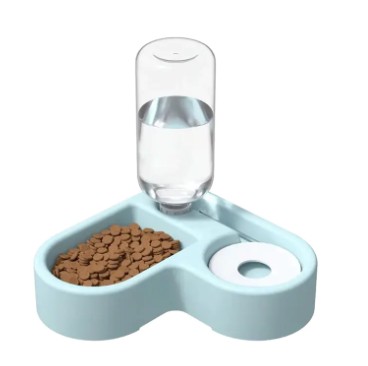
1. Automatic Sensor-Based Water Supply Technology
Infrared Sensor: When a pet approaches the water bowl, the infrared sensor detects a heat source or movement, activating the pump to supply water.
Weight Sensor: When the water level in the bowl drops to a set threshold, a weight sensor triggers water replenishment, preventing continuous overflow due to prolonged lack of drinking.
2.Segmented Water Supply and Flow Control
Segmented water tank: The water tank has multiple small compartments; the corresponding valve only opens when a need is detected, preventing large amounts of water from flowing out at once.
Adjustable Flow Valve: Users can adjust the flow rate of each water supply (e.g., 0.5L/time, 1L/time) according to their pet's drinking habits, achieving precise water supply.
3.Anti-Tilting and Anti-Overflow Design
Anti-tilting base: The bottom uses anti-slip silicone pads and widened support feet to reduce the probability of tipping over when the pet is playing.
Anti-Overflow Spout: The spout has an angled design, naturally guiding the water flow to the center of the bowl, preventing splashing due to impact.
4.Energy Saving and Environmental Protection Measures
Low-power pump: Uses a DC brushless pump with a power consumption of only 0.5W, consuming no power even during long standby periods.
Intelligent Sleep Mode: After detecting no drinking behavior for 30 consecutive minutes, the system automatically enters a low-power sleep mode, further reducing energy consumption.
5. Ningbo WellTrop's Innovative Practices
Self-Developed Sensor Chip: The company's self-developed low-power sensor chip has a response time of less than 0.2 seconds, ensuring rapid water replenishment when the pet approaches.
Modular Water Tank: Different capacities (0.5L, 1L, 2L) can be selected according to user needs. Combined with a detachable anti-tipping base, it achieves a "small amount, multiple times" water supply strategy.
Energy Saving Certification: Some models have passed China's Energy Efficiency Label (Class C) certification, meeting green environmental protection standards.
Why do water dispensers make noise?
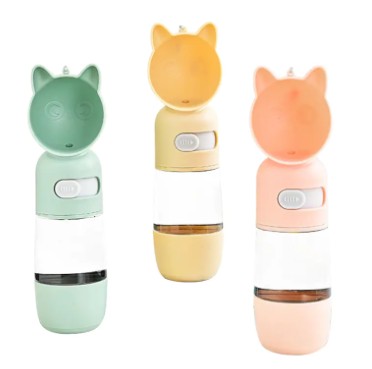
1. Pump Operating Noise
Mechanical Operation Noise: The micro pump produces a slight gear meshing sound or motor rotation sound when pumping water.
Noise Source: Mainly from the friction of the pump bearings and the switching of the motor's magnetic field.
2. Water Flow Impact Noise
Water Column Impact: When water flows from a height into the bowl, the water column impacts the bottle or bowl wall, producing a "drip" sound.
3. Bubble Bursting: Tiny bubbles generated in the water flow produce a slight noise when they burst.
4. Filter Screen and Metal Component Vibration
Resonance Phenomenon: When water flow impacts the filter screen or metal support, it may cause slight vibrations, generating high-frequency noise.
Loose Installation: Vibration will be more noticeable if the filter screen or screws are not tightened.
5. Noise Reduction Measures and Product Improvements
Silent Pump Selection: A low-noise DC brushless pump is used, with noise levels controlled below 30dB.
Vibration Damping Pads: Silicone vibration damping pads are installed between the pump body and the base, significantly reducing mechanically transmitted noise.
Flow Path Optimization: The water flow path is optimized through CFD (Computational Fluid Dynamics) simulation, reducing impact and bubble generation.
6. Ningbo WellTrop's Noise Reduction Technology
Precision Mold Machining: Metal components are machined with high-precision CNC, resulting in a high surface finish and reducing friction noise.
Double-Layer Anti-Vibration Structure: The pump body shell uses a double-layer ABS + silicone structure, forming a sound insulation layer between the internal pump body and the outer shell. User-adjustable noise mode: Some high-end models offer a "silent mode" that automatically reduces the pump speed at night, lowering the noise level to around 25dB, ensuring a peaceful sleep for pets and owners.
Interested in cooperation or have questions?
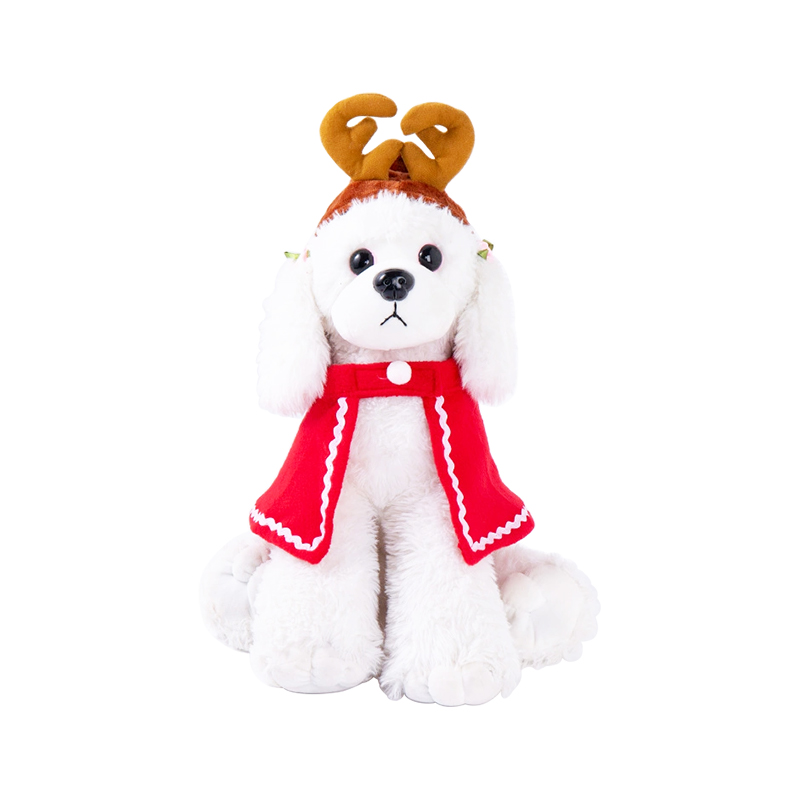
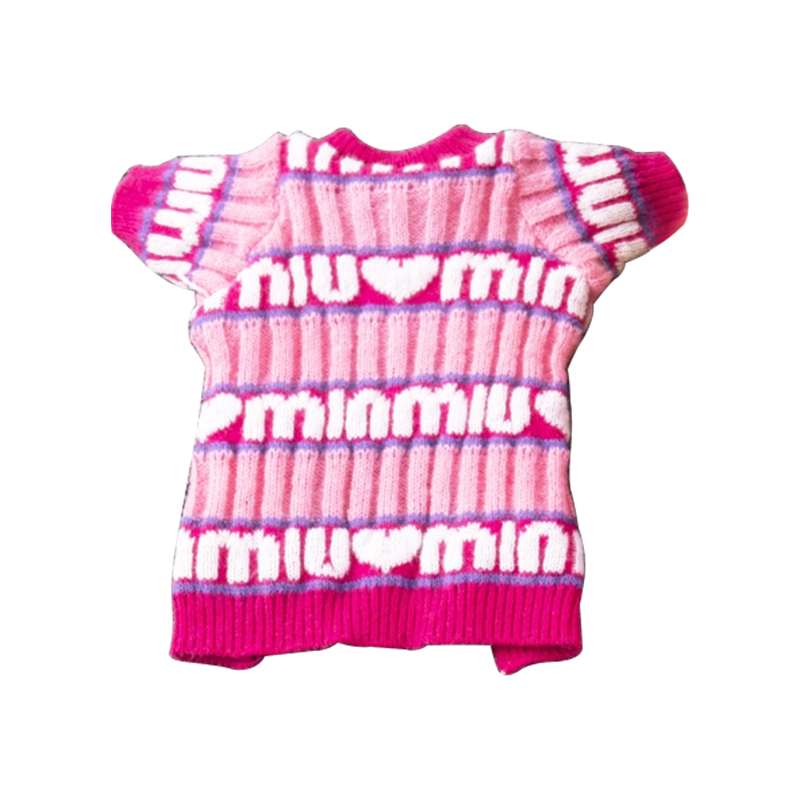
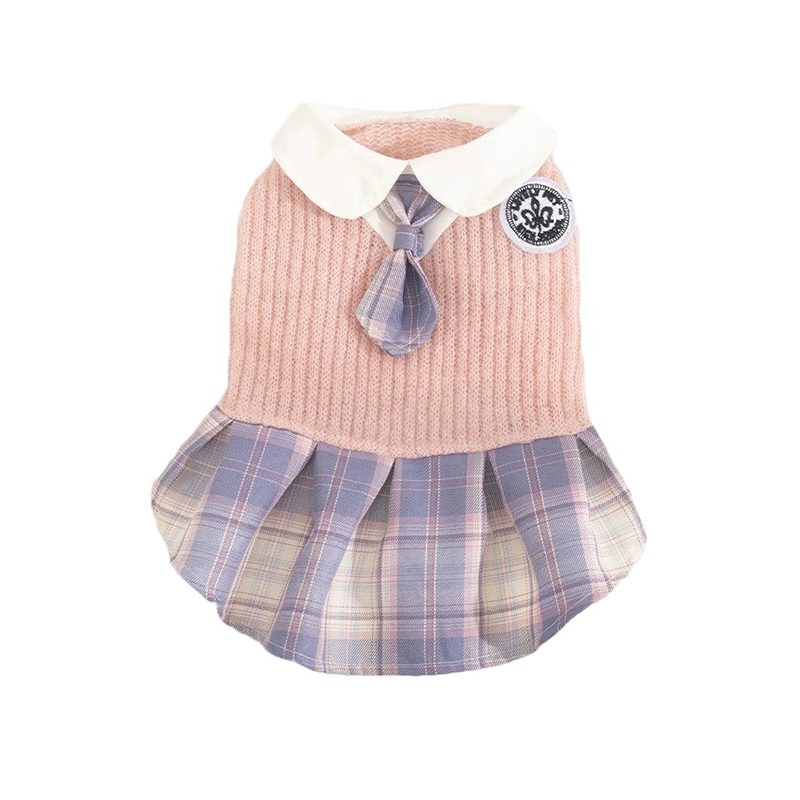
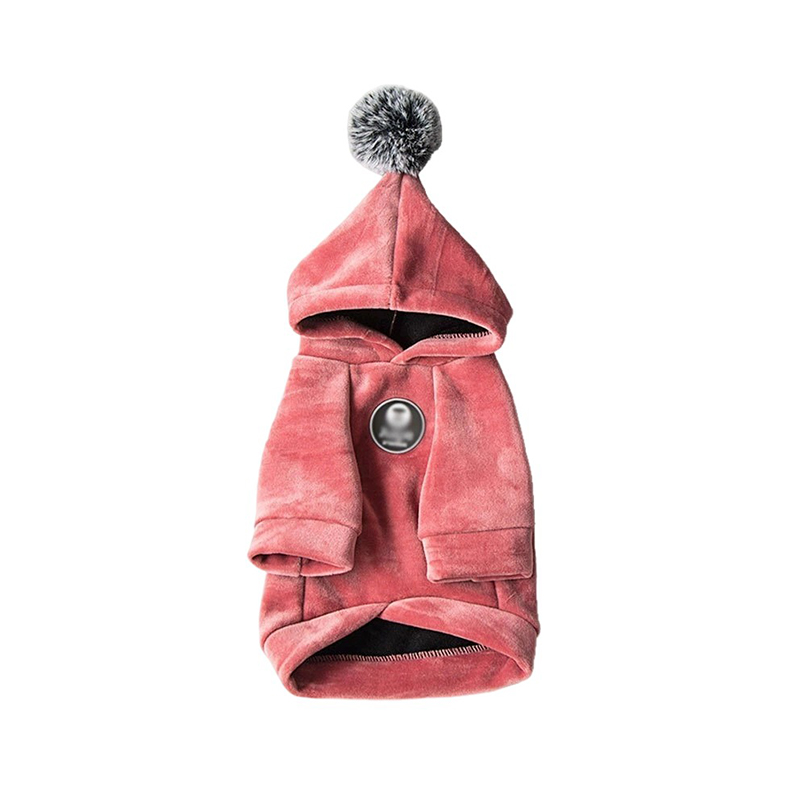


Whether you need a personalized product or a professional design, our team will bring your ideas to life. Together, let's create a world where pets thrive and are happy!
-
 No.13-1, Haikou Village, Xidian Town, Ninghai Country, Ningbo, China.
 -
 +86 13867893287
 -
 [email protected]
Copyright © Ningbo Welltrop Industrial Products Manufacturing Co., Ltd. All Rights Reserved. China Pet Supplies Manufacturers Wholesale Pet Products Factory
