The key to effective pet grooming lies in selecting the right tools for your pet's specific coat type and using them with proper technique. Regular grooming with appropriate tools reduces shedding by up to 90%, prevents matting, and allows early detection of skin issues. This guide provides actionable steps for using common grooming tools correctly, along with answers to frequently asked questions that pet owners encounter.
Essential Pet Grooming Tools and Their Proper Use
Slicker Brushes for Detangling and Removing Loose Fur
Slicker brushes feature fine, short wires packed closely together on a flat surface. They are essential for removing loose hair, detangling minor knots, and distributing natural oils through the coat. Studies indicate that using a slicker brush for 5-10 minutes daily can reduce household pet hair by approximately 60%.
To use effectively, hold the brush at a 45-degree angle and brush in the direction of hair growth. Use short, gentle strokes to avoid scratching the skin. For pets with sensitive skin, choose a slicker brush with coated tips to prevent irritation.
Undercoat Rakes for Double-Coated Breeds
Undercoat rakes are designed with long, widely spaced teeth that penetrate deep into double coats to remove dead undercoat fur without damaging the topcoat. Breeds like Huskies, Golden Retrievers, and German Shepherds benefit significantly from weekly undercoat rake sessions.
Apply light pressure and work in sections, moving the rake through the coat in the direction of growth. A single grooming session with an undercoat rake can remove up to 2 cups of loose fur from a heavy-shedding dog. Avoid over-brushing the same area to prevent skin irritation.
Nail Clippers and Grinders for Paw Maintenance
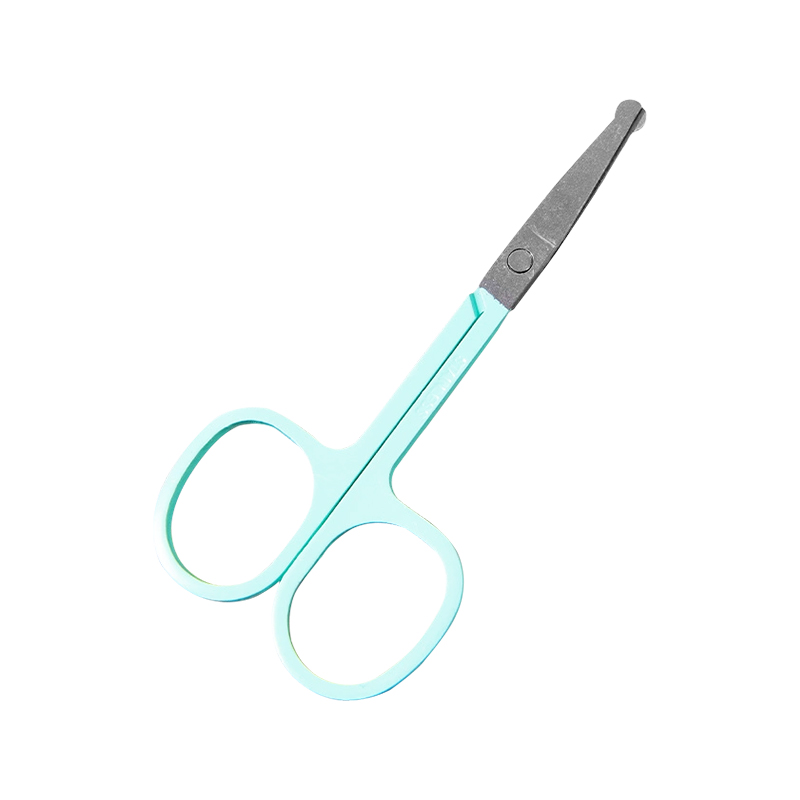
Nail maintenance prevents overgrowth that can cause gait problems and joint pain. Guillotine-style clippers work well for small to medium dogs, while scissor-style clippers provide better leverage for large breeds with thick nails. Nail grinders offer a gradual approach, smoothing edges and reducing the risk of cutting into the quick.
When clipping, identify the quick (the pink vein inside light-colored nails) and cut 2mm away from it. For dark nails, make small cuts and check the cross-section—stop when you see a dark dot in the center. Overgrown nails affect 30% of dogs visiting veterinary clinics, often leading to posture abnormalities.
Step-by-Step Grooming Techniques for Different Coat Types
Short-Haired Breeds (Beagles, Boxers, Dalmatians)
Short coats require minimal brushing but benefit from regular grooming to remove dead skin cells and distribute oils. Use a rubber curry brush or grooming mitt in circular motions to loosen dirt and hair. Follow with a bristle brush to smooth the coat and add shine.
Frequency recommendation:
- Rubber brush: 2-3 times per week
- Bristle brush: Once weekly
- Nail trimming: Every 3-4 weeks
Long-Haired Breeds (Shih Tzus, Afghan Hounds, Yorkshire Terriers)
Long coats demand daily attention to prevent matting and tangling. Start with a metal comb to detect knots, then use a pin brush to work through tangles gently. For severe mats, use a mat splitter or dematting tool, holding the base of the mat close to the skin to minimize pulling.
Mats that reach the skin level require professional attention, as improper removal can cause cuts or hematomas. Between full grooming sessions, use a conditioning spray to keep the coat manageable and reduce static.
Curly and Wavy Coats (Poodles, Bichon Frises, Portuguese Water Dogs)
Curly coats continue growing continuously and require clipping every 4-6 weeks. Between professional cuts, brush daily with a slicker brush followed by a metal comb to prevent the dense undercoat from matting. Poodles left ungroomed for 8+ weeks develop severe matting requiring complete shaving in 75% of cases.
Always brush curly coats before bathing—water tightens mats and makes them nearly impossible to remove. Use a leave-in conditioner after bathing to maintain curl definition and prevent breakage.
Tool Maintenance and Hygiene Best Practices
Clean tools function better and prevent skin infections. Remove hair from brushes after each use by running a comb through the bristles. Brushes harboring bacteria and old skin cells can transfer pathogens back to your pet's coat, potentially causing folliculitis or dermatitis.
Monthly deep cleaning protocol:
- Soak brushes and combs in warm water with mild pet-safe shampoo for 10 minutes
- Scrub between bristles with an old toothbrush to remove oil buildup
- Rinse thoroughly and air dry completely before storage
- Disinfect metal tools monthly with diluted chlorhexidine solution
Replace slicker brushes when wires become bent or missing, typically every 12-18 months with regular use. Clipper blades require oiling before each use and professional sharpening every 6 months to maintain clean cuts without pulling hair.
Frequently Asked Questions About Pet Grooming Tools
How Often Should I Replace My Pet Grooming Tools?
Replacement frequency depends on usage intensity and tool type. Slicker brushes last 12-18 months with daily use; replace when wires bend or rubber backing deteriorates. Nail clippers maintain sharpness for 2-3 years but require blade replacement when cutting requires excessive force. High-quality stainless steel combs can last 5+ years with proper care, while plastic tools typically need replacement every 12 months due to brittleness.
Can I Use Human Grooming Tools on My Pet?
Human tools are generally unsuitable for pets due to differences in hair structure and skin sensitivity. Human hairbrushes have bristles designed for single human hair strands, while pet coats require tools that handle multiple hair types simultaneously. Human nail clippers crush dog nails rather than cutting cleanly, causing pain and splitting. Human shampoos disrupt the pH balance of pet skin (human skin pH 5.5 vs. dog skin pH 6.2-7.5), leading to dryness and irritation.
What Should I Do If My Pet Hates Being Groomed?
Behavioral resistance often stems from negative associations or physical discomfort. Start desensitization by placing tools near your pet during positive activities like feeding, without using them. Gradually progress to touching your pet with the back of the brush, then brief brushing sessions with high-value treats. Short, positive 2-minute sessions prove more effective than forcing through a full grooming routine.
For severe anxiety, consider anxiety-reducing tools like grooming hammocks for nail trimming, or seek professional groomers experienced with fearful animals. Never punish resistance, as this reinforces negative associations.
Are Expensive Grooming Tools Worth the Investment?
Mid-range to professional-grade tools offer superior durability and ergonomic design that reduces hand fatigue during long grooming sessions. A $40 slicker brush typically outlasts five $8 brushes, providing better value over time while reducing wrist strain by 40% compared to budget options.
Cost comparison of grooming tool tiers over 5-year ownership
| Tool Category |
Budget Tier ($) |
Mid-Range ($) |
Professional ($) |
Lifespan (Years) |
| Slicker Brush |
8-12 |
25-40 |
50-80 |
1 / 3 / 5+ |
| Nail Clippers |
10-15 |
30-45 |
60-100 |
2 / 5 / 10+ |
| Clippers |
30-50 |
100-180 |
200-400 |
2 / 5 / 8+ |
Safety Considerations and When to Seek Professional Help
Certain situations require professional groomer or veterinary intervention rather than home grooming:
- Mats extending to the skin surface, especially in sensitive areas like armpits or groin
- Nails that have grown into the paw pads
- Skin conditions including hot spots, open wounds, or suspected infections
- Aggressive behavioral responses that pose bite risks
- Ear hair plucking for breeds prone to infections (requires specialized technique)
Attempting to shave a matted coat at home results in clipper burn or lacerations in 15% of DIY attempts, according to veterinary dermatology reports. Professional groomers possess the restraint techniques, equipment, and experience to handle difficult cases safely.
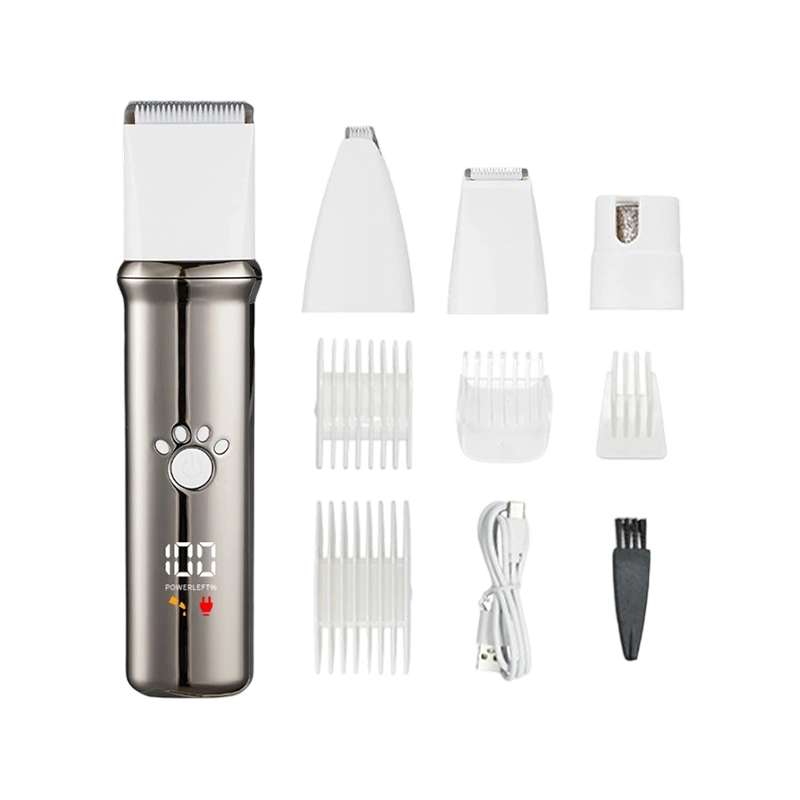
Always inspect tools before use for damage that could scratch skin or pull hair. Keep styptic powder accessible during nail trimming to stop bleeding if the quick is accidentally cut. When using electric clippers, ensure blades remain cool—overheating causes burns. Check blade temperature every 3-5 minutes by touching it to your inner wrist.



 English
 Español
 عربى
عربى Deutsch
 русский
 Français







 No.13-1, Haikou Village, Xidian Town, Ninghai Country, Ningbo, China.
  +86 13867893287
  [email protected]