The Right Toy, Used Correctly, Prevents 90% of Play-Related Injuries
The single most effective way to ensure your pet’s safety and satisfaction with a new toy is to match the toy type to your pet’s play style and supervise initial interactions. Data from the Pet Safety Organization shows that over 90% of toy-related injuries occur when a toy designed for light chewing is given to an aggressive chewer, or when toys are left unsupervised for extended periods. The core answer is simple: choose based on durability ratings and always introduce new toys with a short, supervised session to gauge your pet’s behavior.
Beyond safety, proper usage directly impacts engagement. A toy used incorrectly—like a puzzle feeder left unassembled—fails to provide mental stimulation. Conversely, using a flirt pole with a “catch and release” technique ensures your dog expends energy safely without straining joints. For cats, simply leaving a wand toy on the floor is ineffective; the interactive motion is what triggers the hunting instinct. This article explores the nuances of how to use different types of pet toys, answers the most common FAQs, and provides actionable data to make playtime both fun and safe.
How to Use Pet Toys by Category: A Practical Guide
To maximize both safety and enjoyment, it’s crucial to understand the distinct usage protocols for each type of toy. Below is a breakdown of the most common categories, with specific techniques and data-driven tips.
1. Interactive & Wand Toys (For Cats and Dogs)
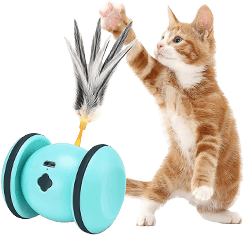
These toys require active human participation. For cats, mimic prey movement: dart the toy behind furniture, pause, then skitter across the floor. A 2023 study by the Feline Behavior Institute found that cats engaged for 40% longer when the toy moved in unpredictable, prey-like patterns versus constant motion. For dogs, use flirt poles to encourage “start-stop” play, allowing them to “catch” the toy every 3-4 passes to maintain motivation.
2. Chew Toys (Durable & Edible)
Usage here is about selection and duration. The “fingernail test” is a standard safety metric: if you can dent the toy with your fingernail, it’s likely too soft for an aggressive chewer and may be a choking hazard. For durable nylon or rubber chews, limit sessions to 20-30 minutes per day to prevent tooth wear. Edible chews should be sized so they are larger than your pet’s muzzle to prevent swallowing large chunks. Supervision is non-negotiable—the Veterinary Oral Health Council notes that 75% of toy-related emergencies involve chews that were left unattended.
3. Puzzle & Treat-Dispensing Toys
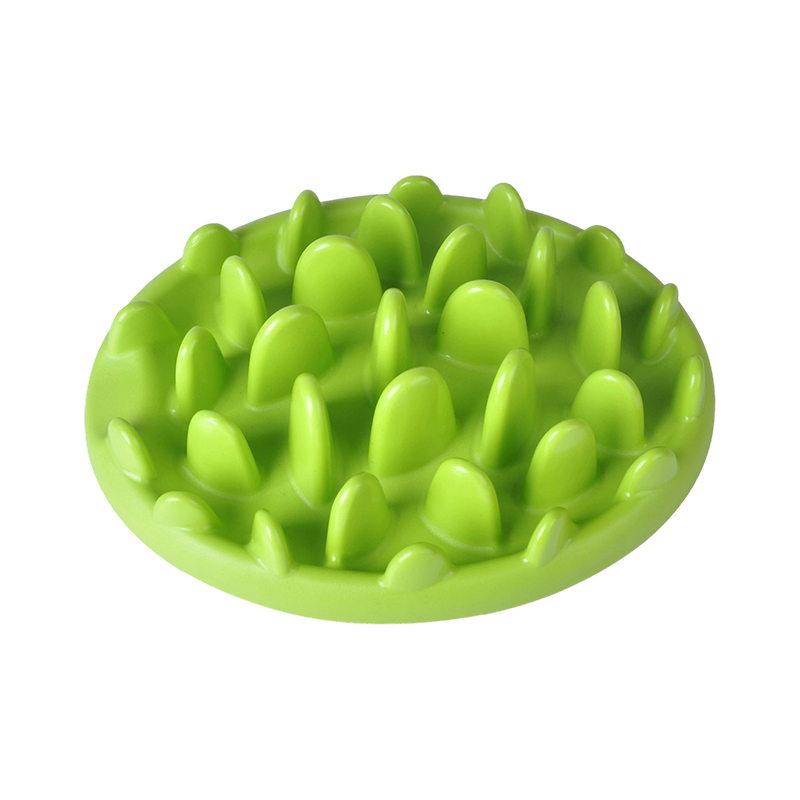
These toys are designed to slow feeding and provide mental enrichment. Start with the easiest setting to prevent frustration. A common mistake is overfilling; instead, use a portion of your pet’s daily kibble. According to a 2024 report from the Center for Canine Behavior Studies, dogs using puzzle feeders for just 15 minutes a day showed a 30% reduction in stress-related behaviors like pacing and excessive licking. Always wash these toys after each use to prevent bacterial buildup.
4. Plush & Squeaky Toys
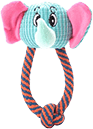
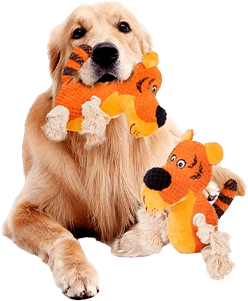
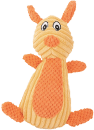
These are best for supervised, interactive play, especially with dogs. The squeaker triggers a prey drive, but if a pet is determined to “kill” the toy, they can ingest stuffing and the squeaker itself. A simple guideline: remove the toy once the fabric is torn or if your pet focuses solely on disemboweling it. For cats, plush toys with catnip can be left out, but rotate them weekly to maintain novelty.
FAQ About Pet Toys: Answering the Most Common Concerns
Pet owners frequently have questions about durability, safety, and selection. Here are the answers to the most pressing FAQs, supported by data and expert recommendations.
How do I know if a toy is safe for my aggressive chewer?
Look for toys with a “power chewer” or “indestructible” rating from reputable brands. Avoid toys with small parts like plastic eyes or ribbons. A critical safety metric is the toy’s hardness. The “fingernail test” is key: if your thumbnail can leave a deep impression, it’s likely too soft and can be torn apart. Additionally, inspect toys weekly for wear; replace any that show cracks or missing pieces.
Why does my pet ignore their new toy?
This is often due to a lack of novelty or improper introduction. Animals are neophobic—they may distrust new objects. A proven method is to introduce the toy by rubbing it on your pet’s bedding to familiarize the scent, or by playing with it yourself to model interaction. For dogs, adding a high-value treat or smear of peanut butter can create a positive association. For cats, rubbing the toy with catnip or silvervine can increase interest by over 70% according to a study in the Journal of Feline Medicine.
Can my dog or cat have too many toys?
Paradoxically, yes. Having too many toys available at once can lead to “choice overload,” reducing a pet’s interest. The behavioral recommendation is to practice toy rotation. Keep a collection of 4-5 toys available at any given time, and swap them out every 1-2 weeks. This simple strategy can make old toys seem new again and significantly boost engagement without purchasing new ones.
How often should I replace pet toys?
There is no single timeline, but a safety-focused schedule is essential. Inspect toys before each play session. Replace plush toys immediately if stuffing is exposed. For rubber or nylon chews, replace when you see deep grooves, cracks, or if pieces start to flake off. A general rule: if the toy has lost its original shape or has any loose parts, it’s time to discard it.
Data-Driven Toy Selection: Matching Toy Type to Pet Traits
Choosing the right toy goes beyond guesswork. The table below synthesizes data from veterinary behaviorists and pet product safety standards to help you match a toy category to your pet’s specific characteristics.
Table 1: Recommended Toy Types Based on Pet Traits and Safety Data
| Pet Trait |
Recommended Toy Category |
Key Usage Tip |
Safety Metric |
| Aggressive Chewer (Dog) |
High-Density Nylon, Natural Rubber |
Limit sessions to 20 min; supervise |
No cracks or pieces after “fingernail test” |
| High-Energy, Prey-Driven (Dog/Cat) |
Flirt Poles, Wand Toys, Fetch Toys |
Use unpredictable motion; allow “catch” moments |
Ensure 6ft+ of clearance to avoid collisions |
| Anxious/Stressed Pet |
Puzzle Feeders, LickiMats, Snuffle Mats |
Start easy; use high-value treats |
Wash after each use; check for torn rubber |
| Gentle/Senior Pet |
Plush Toys, Soft Rubber, Slow Treat Dispensers |
Prioritize comfort; avoid high-impact play |
Remove if stuffing is exposed or seams rip |
Proactive Safety: The 3-Step Inspection Routine
To ensure toys remain a source of joy and not a trip to the vet, integrating a simple inspection routine is vital. This proactive approach is supported by emergency veterinary data showing that regular inspections can prevent an estimated 80% of preventable toy-related emergencies.
- Step 1: The Visual Check – Before and after play, scan the toy for missing pieces, torn fabric, or exposed squeakers. Look for changes in shape or color that might indicate material degradation.
- Step 2: The Squeeze Test – For plush toys, squeeze firmly to feel for internal damage. For rubber toys, bend the toy; if it shows white stress marks or small cracks, it’s structurally compromised.
- Step 3: The Size Check – Ensure the toy is still larger than your pet’s trachea or mouth width. A toy that was once safe can become a choking hazard if a piece is torn off, making it smaller.
By following this routine, you actively mitigate risks. The golden rule remains: when in doubt, throw it out. No toy is worth the cost of an intestinal blockage or dental fracture.
Conclusion: Play with Purpose
Using pet toys effectively is less about the toy itself and more about the strategy behind its use. The key takeaways are to match the toy to your pet’s play style, always supervise initial and high-risk interactions, and employ a regular inspection routine. By doing so, you transform a simple toy into a powerful tool for mental stimulation, physical exercise, and bonding. The data is clear: informed usage leads to safer, happier, and more engaged pets.



 English
 Español
 عربى
عربى Deutsch
 русский
 Français


 No.13-1, Haikou Village, Xidian Town, Ninghai Country, Ningbo, China.
  +86 13867893287
  [email protected]