Minimize stress, maximize coat health — follow the professional sequence: prepare, detangle, brush, clean, and finish.1For existing mats, a dematting rake or mat splitter is essential. Insert the blade at the base of the mat (away from the skin) and gently cut or tease the mat apart. On a double-coated breed like a Husky, use an undercoat rake to remove loose fur from the undercoat without damaging the topcoat.
Data shows that regular use of an undercoat rake can reduce shedding by up to 90%.
Once the coat is free of mats, systematic brushing distributes natural oils and removes remaining loose hair. The tools used here depend on coat type.
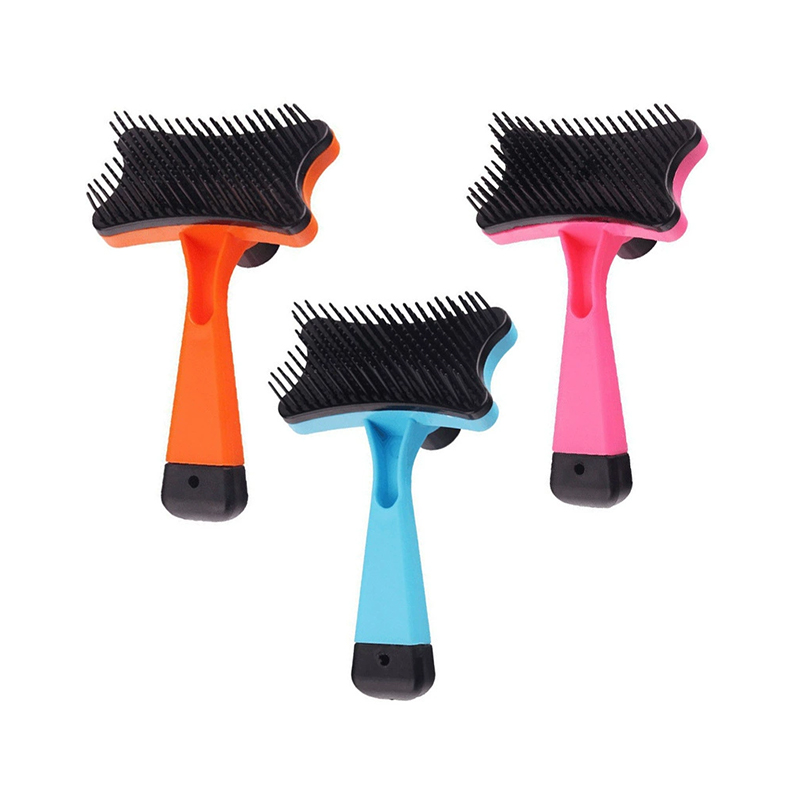
For dogs with double coats (e.g., German Shepherds, Chow Chows), you must brush in sections. Part the hair down the back and brush from the skin outward. A long-pin slicker brush is ideal for this.
After primary brushing, use a bristle brush to smooth the topcoat. For short-haired breeds, a rubber curry brush is effective. For instance, on a Labrador, a 5-minute session with a rubber curry can remove more dead hair than a standard bristle brush. The key metric: brushing until the tool glides through the coat with no resistance.
Brushing first removes loose hair that would otherwise clog drains and turn into stubborn mats when wet. This step is crucial.
Use a shampoo brush or silicone massager to work the shampoo deep into the coat. A rubber grooming mitt is excellent for short-haired breeds during bath time.
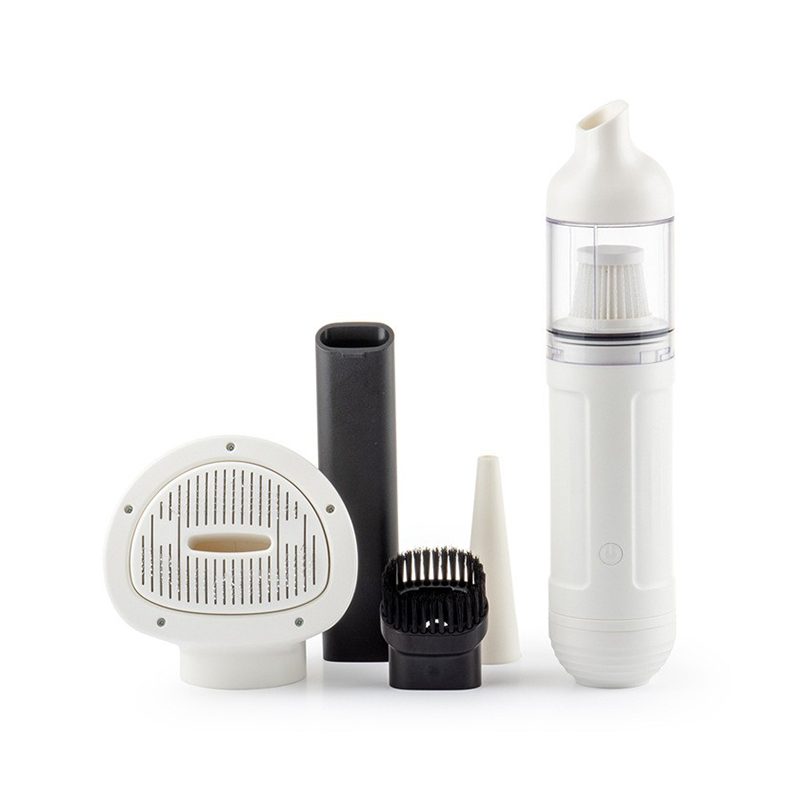
Never rub a coat dry with a towel — instead, pat dry with a microfiber towel, then use a high-velocity dryer. The force of the dryer helps lift the undercoat and straightens the hair. Approximately 70% of the final coat volume is achieved during the drying process with the correct nozzle attachment.
Typically done after the bath when the pet is calm and nails are softer, but before final scissoring.
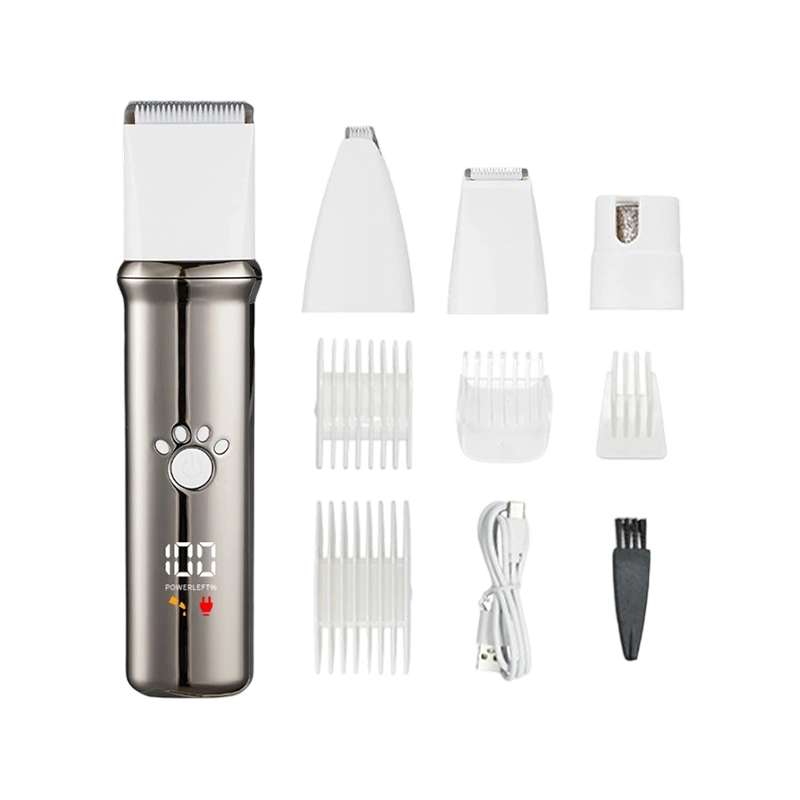
Nail Trimming Order: Use nail clippers or a Dremel tool. Clip a small amount at a 45-degree angle, avoiding the quick. For cats, scissor-type clippers are often preferred.
Finishing Tools: Use round-tip scissors to trim hair between paw pads and thinning shears to blend and soften lines around the face and ears — the final aesthetic step.
| Coat Type | Primary Tool | Secondary Tool | Bathing Tool |
| Short, Smooth (e.g., Beagle) | Rubber Curry Brush | Bristle Brush | Grooming Mitt |
| Double Coat (e.g., Husky) | Undercoat Rake | Long-Pin Slicker | Shampoo Brush |
| Long, Silky (e.g., Yorkie) | Pin Brush | Metal Greyhound Comb | Wide-Toothed Comb |
| Curly/Wool (e.g., Poodle) | Slicker Brush | Metal Comb | Detangling Spray + Brush |
Table 1: Recommended primary grooming tools based on coat type and purpose.
Following these steps ensures that your investment in quality tools provides maximum benefit and safety for your companion.


Whether you need a personalized product or a professional design, our team will bring your ideas to life. Together, let's create a world where pets thrive and are happy!
No.13-1, Haikou Village, Xidian Town, Ninghai Country, Ningbo, China.
+86 13867893287
[email protected] Copyright © Ningbo Welltrop Industrial Products Manufacturing Co., Ltd. All Rights Reserved. China Pet Supplies Manufacturers Wholesale Pet Products Factory