For most dog breeds, shaving in summer does not help them cool down. In fact, it can increase the risk of heatstroke, sunburn, and skin cancer. A dog's coat provides natural insulation and temperature regulation. The correct approach is regular brushing, moderate trimming, and combining other cooling measures.
Why a Dog's Coat Cools Them in Summer
Many people assume that thick fur makes dogs hotter in summer, but the opposite is true. A dog's coat functions like a natural air conditioning system with bidirectional regulation. Dr. Jerry Klein, Chief Veterinary Officer of the American Kennel Club (AKC), explains that a dog's coat acts as an insulating layer. Shaving removes this protective insulation, making the dog more susceptible to heatstroke and potentially causing follicle damage. The air layer within the coat helps dogs stay warm in cold weather and blocks external heat in warm weather, maintaining stable body temperature.
Specifically, double-coated breeds such as Golden Retrievers, Huskies, and German Shepherds have a soft inner undercoat and longer outer guard hairs. The undercoat provides warmth in cold weather, and during summer, a portion naturally sheds. The remaining undercoat and the air layer between it and the guard hairs trap cool air and help dissipate heat. The outer guard hairs block direct sunlight and prevent insect bites. Once shaved, this natural protection is removed, and the dog's skin is directly exposed to sunlight, significantly increasing the risk of UV damage.
Double Coat vs. Single Coat: What You Need to Know
Understanding your dog's coat type is the most critical factor in deciding whether shaving is appropriate. Different coat types respond very differently to shaving.
| Structure |
Inner undercoat + outer guard hairs |
Single uniform hair layer |
| Examples |
Golden Retriever, Husky, German Shepherd, Border Collie, Labrador |
Poodle, Maltese, Greyhound, Afghan Hound |
| Summer Advice |
Never shave; regular brushing only |
Light trim possible, keep at least 1 inch of hair |
| Shaving Risk |
High: heatstroke, sunburn, abnormal coat regrowth |
Moderate: sunburn, skin sensitivity |
| Natural Adjustment |
Sheds undercoat naturally in summer |
Hair grows continuously; requires regular trimming to prevent matting |
Specific Dangers of Shaving Your Dog
The health risks of shaving go far beyond what is visible on the surface. Here are the common risks summarized by veterinarians and professional groomers:
Abnormal Coat Regrowth: For double-coated breeds, the undercoat typically grows back faster than the guard hairs after shaving. This can result in a coarse texture, color changes, and a patchy appearance. In some cases, the coat may never return to its original state, a condition known as post-clipping alopecia.
Sunburn and Skin Cancer Risk: A dog's coat is the first line of defense against UV rays. After shaving, sensitive skin is directly exposed to sunlight, making sunburn more likely. Long-term UV exposure also increases the risk of skin cancer. Dogs with light-colored or sensitive skin are especially vulnerable.
Loss of Temperature Regulation: After shaving, dogs lose their natural insulating layer. In hot environments, body temperature rises more easily without the protective coat. Meanwhile, in air-conditioned rooms or at night, shaved dogs may feel cold due to the lack of insulation.
Skin Irritation and Infection: Electric clippers used during shaving can irritate the skin. Shaved skin is also more susceptible to allergens, insect bites, and lawn chemicals, increasing the risk of dermatitis and infections.
Proper Ways to Keep Your Dog Cool in Summer
Since shaving is not the solution, what should you do to help your dog through hot summer days? Here are proven effective methods:
Regular Brushing: This is one of the most effective cooling measures. Brush your dog daily or every other day with an appropriate comb to remove shed undercoat and dead hair, promoting air circulation through the coat. For double-coated breeds, use an undercoat rake or de-shedding tool to remove the inner undercoat without damaging the outer guard hairs. After brushing, the coat becomes lighter and more breathable.
Professional De-Shedding Treatment: Many pet grooming salons offer professional de-shedding services using specialized tools and products to safely remove excess undercoat and improve coat breathability. This treatment is typically done every 4 to 6 weeks and can significantly reduce shedding while helping dogs dissipate heat more effectively.
Moderate Trimming Instead of Shaving: For single-coated breeds or dogs with very long hair, a professional groomer can perform a light trim, focusing on areas like the legs and belly where longer fur can be removed to aid heat dissipation. However, always maintain at least 1 inch (approximately 2.5 cm) of hair length to preserve skin protection.
Keep the Coat Clean: Bathe your dog regularly to keep the coat clean. A clean coat dissipates heat more effectively than a dirty, greasy one. You may increase bathing frequency slightly in summer, but avoid over-washing, which can dry out the skin. Dry the coat thoroughly after bathing, as damp fur can actually hinder heat dissipation.
Trim Paw Pad Hair: Dogs' sweat glands are primarily located in their paw pads. Trimming excess hair around the paw pads helps sweat evaporate faster, providing a cooling effect. This is the only area where shaving is recommended during summer.
Summer Safety Cooling Measures for Dogs
| Provide Plenty of Water |
Always have fresh cool water available; carry a portable water bowl when outdoors |
Check and replace water every 2 hours |
| Create Shade |
Provide umbrellas or tree shade outdoors; use air conditioning or fans indoors |
Dog houses are not suitable for summer shade as they trap heat |
| Adjust Activity Time |
Walk your dog during early morning or late evening when it is cooler |
Avoid high-temperature periods from 10 AM to 4 PM |
| Use Cooling Products |
Cooling mats, cooling vests, damp towels |
Ensure cooling mat materials are safe and prevent chewing |
| Water Play |
Set up a kiddie pool or visit safe water areas |
Ensure clean water; rinse and dry thoroughly after swimming |
| Avoid Car Confinement |
Never leave your dog alone in a car, even with windows cracked |
Car temperatures can reach dangerous levels within 10 minutes |
Recognizing Early Signs of Heatstroke in Dogs
Even with all preventive measures, dogs can still overheat in extreme temperatures. Recognizing early symptoms of heatstroke is crucial for timely intervention:
Mild heatstroke signs include: excessive panting, increased drooling, rapid breathing, accelerated heartbeat, lethargy, and red gums. If you notice these symptoms, immediately move your dog to a cool, ventilated area, offer cool water (but do not force drinking), and use damp towels to wipe the paw pads, belly, and ears to help lower body temperature.
Severe heatstroke signs include: vomiting, diarrhea, purple gums, red skin, unsteady gait, and even collapse. Heatstroke can be fatal within a short time. If severe symptoms appear, take initial cooling measures and seek emergency veterinary care immediately.
When Shaving May Be Appropriate
While shaving is generally not recommended, there are some exceptional circumstances:
When a dog's fur is severely matted and cannot be safely detangled through brushing, shaving the matted area may be necessary. Severe matting not only affects appearance but also pulls on the skin causing pain and can lead to skin infections. In such cases, a professional groomer should perform the procedure, targeting only the matted areas while preserving hair on the rest of the body.
Certain medical procedures require shaving, such as pre-surgical preparation or treatment of skin conditions. This type of shaving should be done under veterinary guidance, typically involving only specific areas rather than the entire body.
For very old dogs with extremely long hair and limited mobility, a moderate trim may improve comfort. Even then, it should be done by a professional, avoiding shaving down to the skin.
Professional Pet Grooming Tools for Summer Care
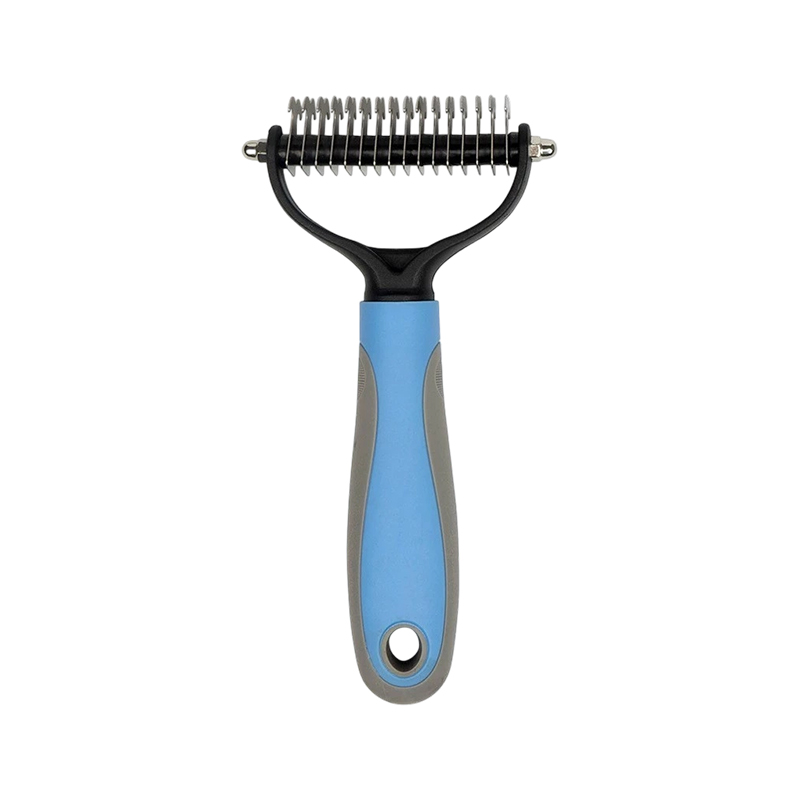
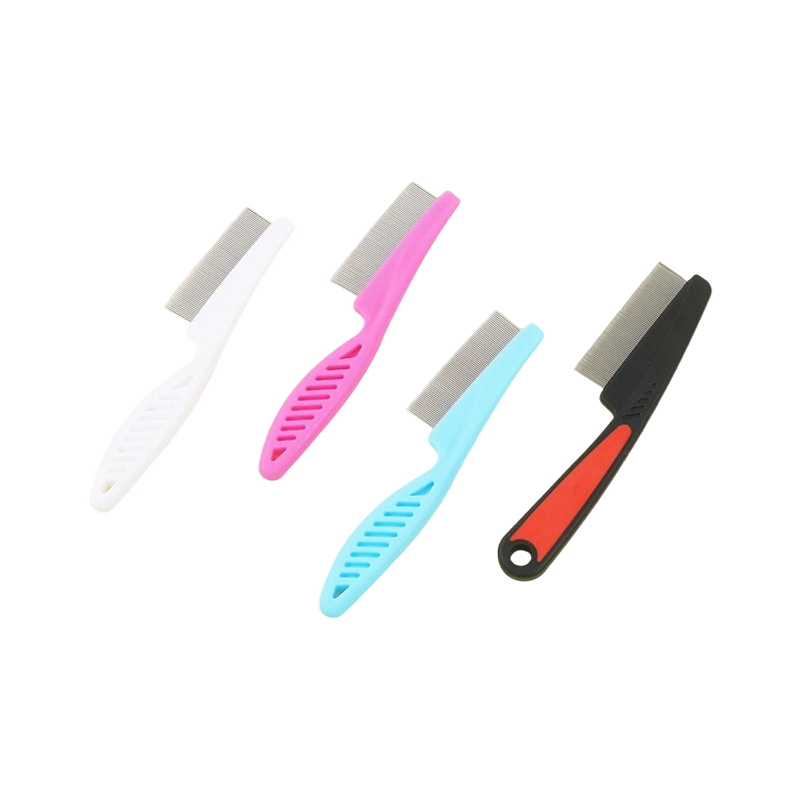
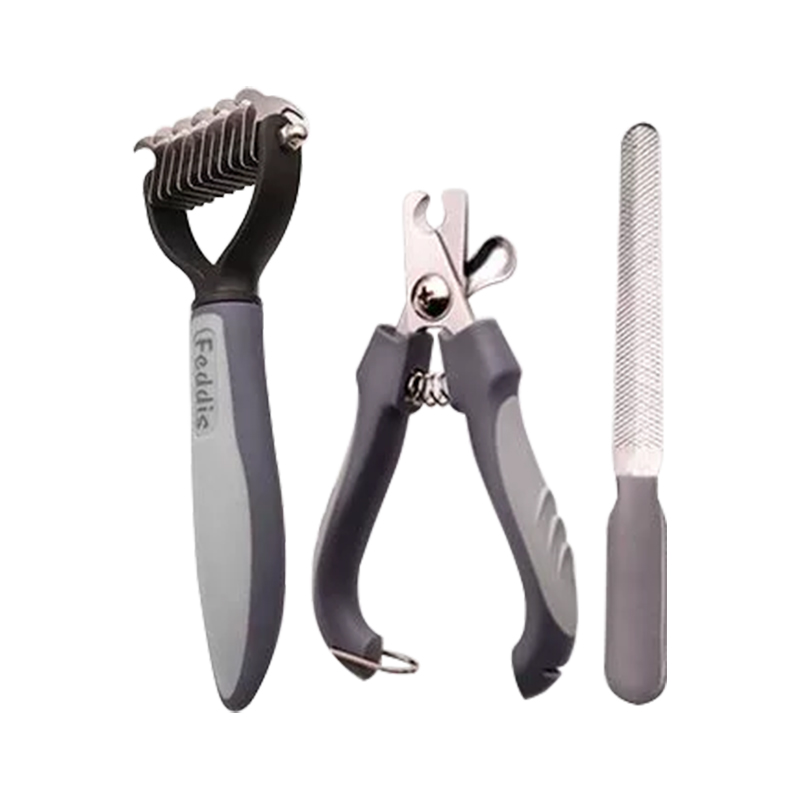
Proper summer care requires professional pet grooming tools. High-quality combs, brushes, and grooming products can make daily maintenance much more effective. Premium grooming tools typically feature ergonomic handles that reduce fatigue during extended use. Undercoat rakes and de-shedding tools effectively remove the inner undercoat of double-coated breeds, while pin brushes and slicker brushes are ideal for daily maintenance of single-coated breeds.
For pet owners, investing in a complete pet grooming kit is a wise choice. A comprehensive kit usually includes combs, nail clippers, ear cleaning supplies, toothbrushes, and more, meeting all daily care needs. Through OEM and ODM customization services, owners can choose personalized accessories or colors based on their pet's specific requirements, creating a tailored care solution.
As a China pet grooming manufacturer, we understand the importance of professional tools for pet health. Whether it is dog cat grooming supplies or daily care products, choosing proven and reliable products ensures that every grooming session is safe and effective. The core of summer care is maintaining the natural function of the coat rather than simply removing it.



 English
 Español
 عربى
عربى Deutsch
 русский
 Français





 No.13-1, Haikou Village, Xidian Town, Ninghai Country, Ningbo, China.
  +86 13867893287
  [email protected]