


 English
 Español
 عربى
عربى Deutsch
 русский
 Français
What is the best cooling pet bed?
Content
- 1 How a Cooling Pet Bed Actually Works
- 2 Features to Check Before You Buy
- 3 Welltrop Bedding Collection
- 4 Cooling Bed or Regular Bed: Which One Fits Your Pet
- 5 Choosing the Right Size and Material for Your Dog or Cat
- 6 How to Keep a Cooling Bed Working All Summer
- 7 Signs Your Pet Needs a Cooling Bed
- 8 Frequently Asked Questions
The best cooling pet bed is one that combines a breathable, elevated, or heat-dispersing surface with a removable, washable cover, since airflow and moisture control matter more than any single "cooling" label. Beds built with raised mesh fabric, gel-infused foam, or self-cooling gel pads lower a pet's resting surface temperature by drawing body heat away or letting warm air escape, rather than simply feeling cool for a few minutes like a basic mat. Below is a practical breakdown of how these beds work, what to check before buying, and how to keep one performing through the warmer months.
How a Cooling Pet Bed Actually Works
Pet beds marketed as "cooling" usually rely on one of three mechanisms: heat conduction, airflow, or evaporation. Understanding which one a bed uses tells you how it will perform in your climate and how long the cooling effect lasts.
| Cooling Method | How It Works | Best For |
|---|---|---|
| Gel-infused foam or gel pad | Absorbs and disperses body heat on contact, staying noticeably cooler than room temperature for 30 to 60 minutes at a time | Indoor dogs and cats, older pets that need joint support |
| Elevated mesh cot | Lifts the pet off the ground so air circulates on all sides instead of trapping heat underneath | Outdoor use, patios, high-humidity regions |
| Evaporative or moisture-wicking fabric | Pulls sweat and moisture away from the body, using evaporation to lower surface temperature | Active dogs, pets prone to overheating after exercise |
Features to Check Before You Buy
A bed that looks cooling in a product photo does not always perform that way once it is on the floor. These are the details worth checking:
- Removable, machine-washable cover — pets shed and sweat more in warm weather, so a cover that comes off for regular washing keeps bacteria and odor from building up
- Breathable filling — high-resilience sponge with open-cell structure allows air to pass through instead of holding heat like dense foam
- Low, wide profile — beds that sit close to the floor without a deep bolster edge let more body surface stay exposed to open air
- Non-toxic, chew-safe materials — any bed a pet lies on daily should meet basic pet-safety material standards, especially for puppies and kittens that chew
- Weight-appropriate support — a bed that compresses fully under the pet's weight loses its airflow gaps and stops cooling effectively
Welltrop Bedding Collection
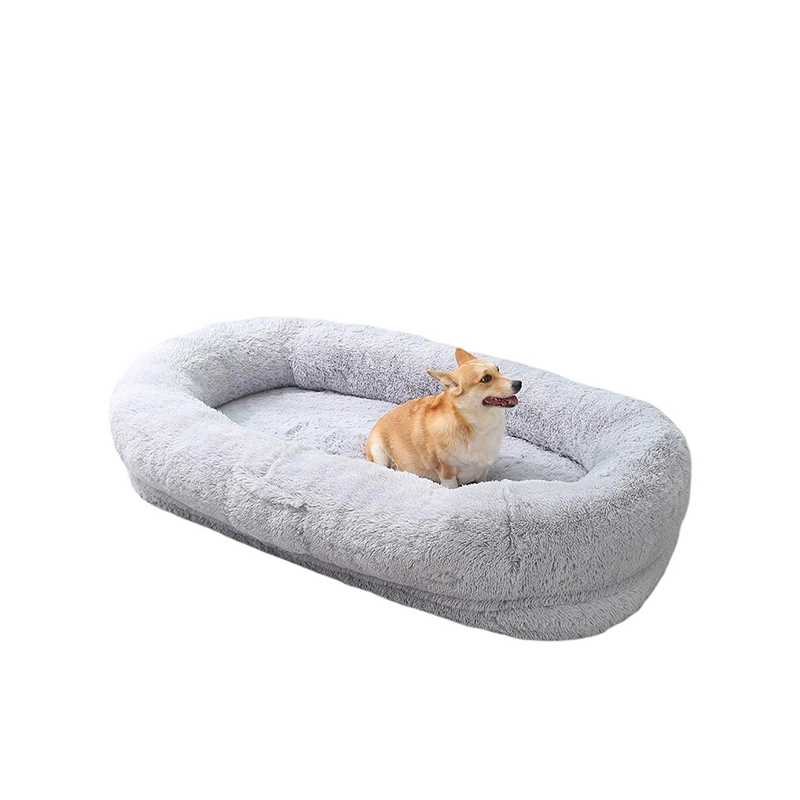
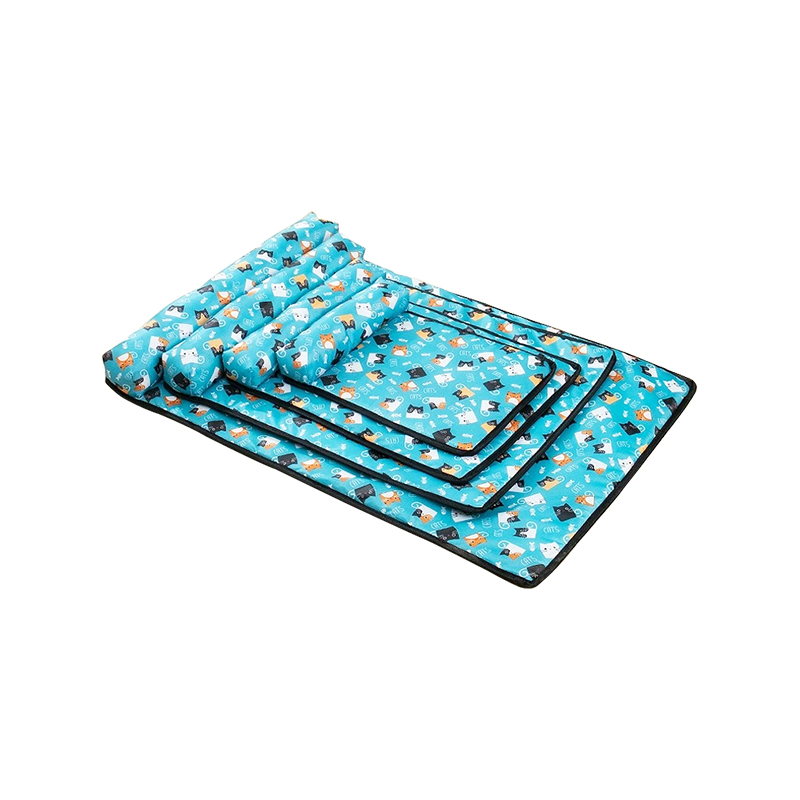
These plush and washable bedding styles show the range of construction options manufacturers use to balance comfort, breathability, and easy cleaning across seasons.
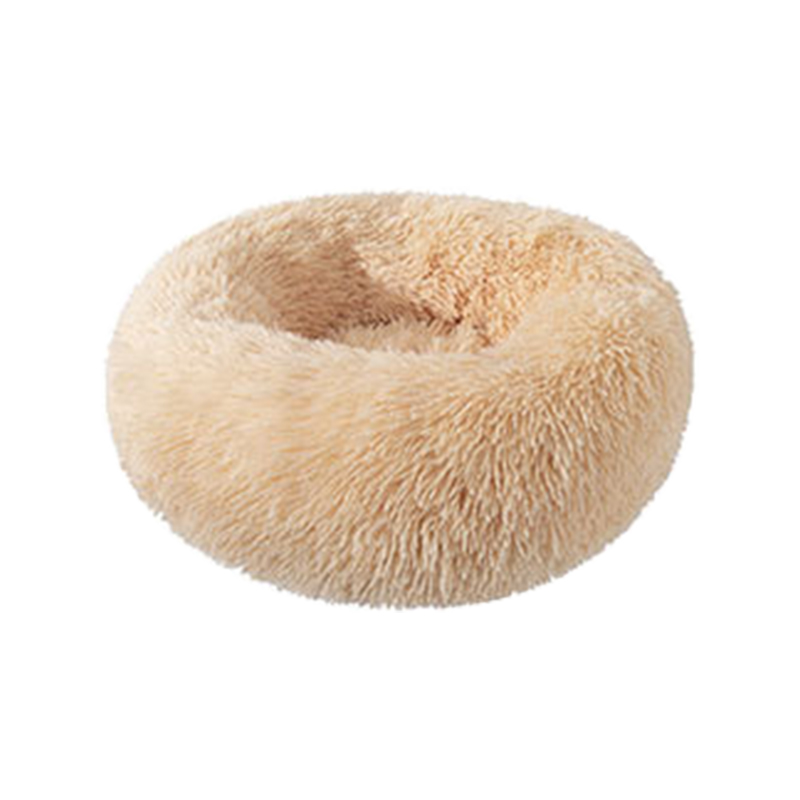
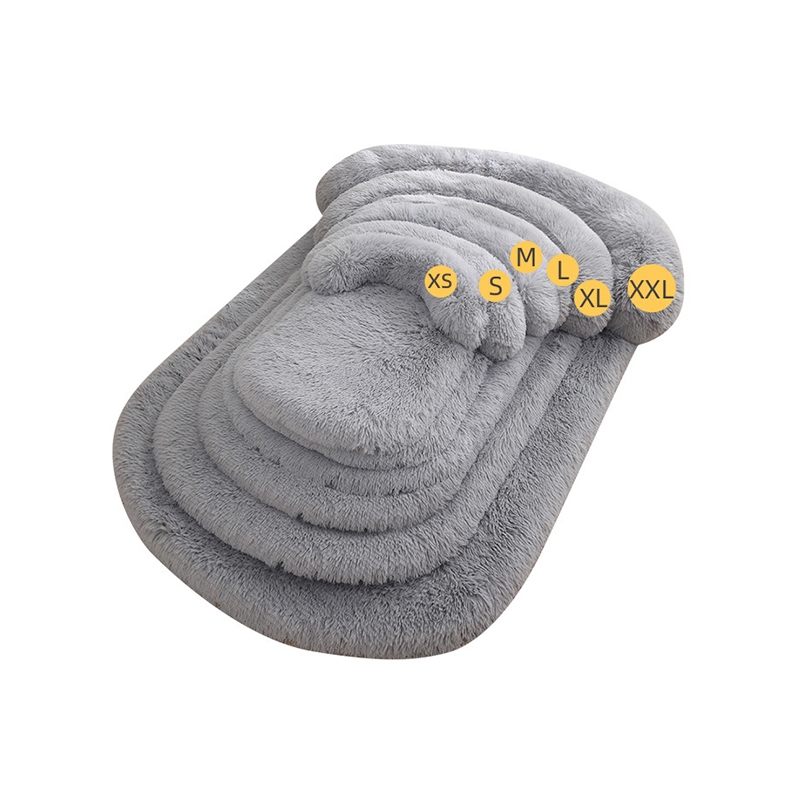
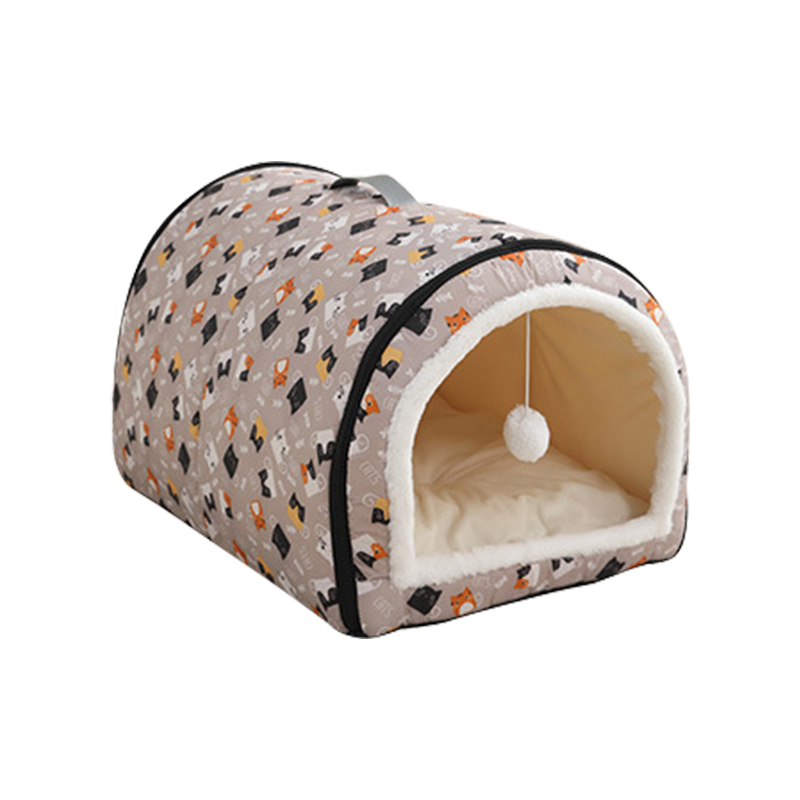
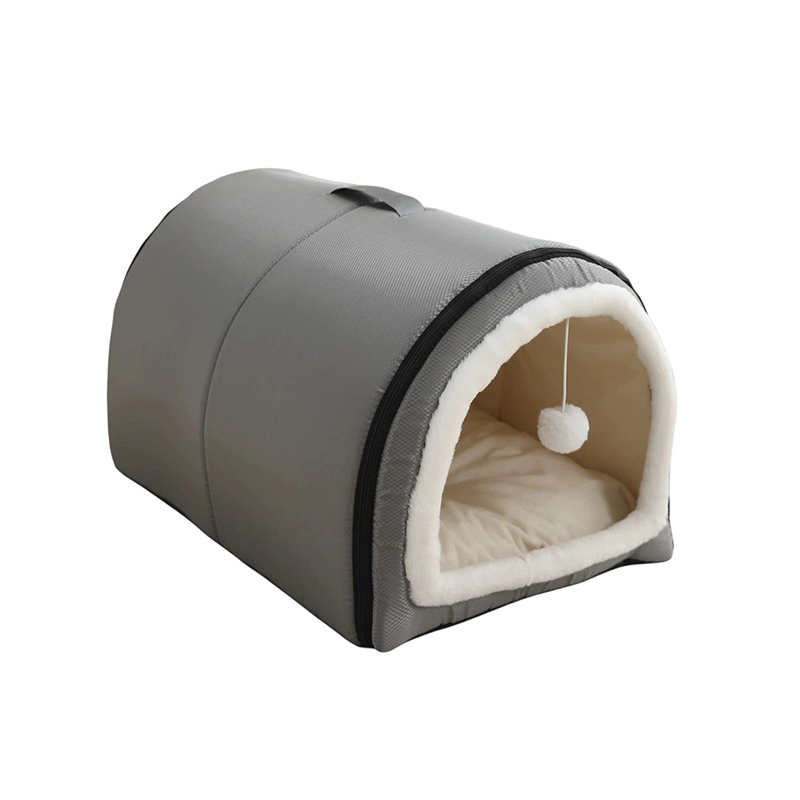
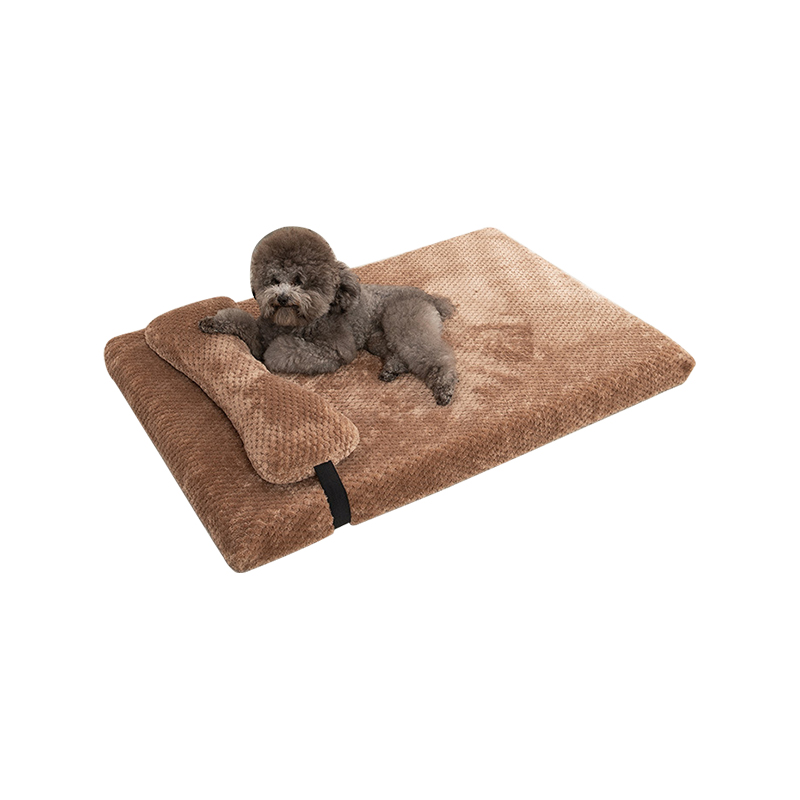
Retailers and pet brands sourcing in volume often work directly with a China pet bedding supplier to customize mesh panels, liner thickness, and cover fabric for a specific climate or price point rather than relying on a single fixed design.
Cooling Bed or Regular Bed: Which One Fits Your Pet
| Situation | Recommended Bed Type |
|---|---|
| Warm climate, indoor pet, tile or hardwood floor | Gel-infused foam bed or lightweight cooling mat |
| Outdoor or patio use, humid summers | Elevated mesh cot with a raised aluminum or steel frame |
| Senior dog with joint pain | Supportive foam bed with a breathable, moisture-wicking cover rather than a thin cooling mat alone |
| Cold winters, mild summers | Standard plush bed with a removable washable cover, since cooling features add little value most of the year |
Choosing the Right Size and Material for Your Dog or Cat
Sizing affects cooling performance directly. A bed that is too small forces the pet to curl up and trap body heat against itself, while a properly sized bed lets the pet stretch out and expose more surface area to air.
| Pet Size | Suggested Bed Length | Preferred Material |
|---|---|---|
| Small cat or toy breed dog | 50 to 60 cm | Lightweight mesh or thin gel pad |
| Medium dog, 10 to 25 kg | 70 to 90 cm | Medium-density foam with washable cover |
| Large dog, over 25 kg | 100 cm or more | High-resilience foam with reinforced mesh panel |
How to Keep a Cooling Bed Working All Summer
- Wash the cover every one to two weeks in warm weather to remove oils, fur, and sweat that reduce breathability
- Vacuum or shake out the base weekly so trapped fur does not block airflow through mesh panels
- Air-dry the bed fully before reuse, since damp foam holds heat and encourages odor
- Rotate the bed out of direct sunlight when not in use, as prolonged UV exposure can break down gel and foam faster
- Replace foam inserts once they lose their spring-back, typically after twelve to eighteen months of daily use
Signs Your Pet Needs a Cooling Bed
Heavy panting while resting, seeking out bare floor or tile instead of an existing bed, and restlessness during warm afternoons are common signs a pet is trying to cool down on its own. If a dog or cat consistently avoids its current bed in summer but uses it normally in cooler months, that is a strong signal the bed is trapping heat rather than dispersing it.
Frequently Asked Questions
Do cooling pet beds work without electricity? Yes. Gel-infused foam, mesh cots, and moisture-wicking fabrics all cool passively through conduction, airflow, or evaporation, with no power source needed.
How long does the cooling effect last? Gel pads typically stay cool for 30 to 60 minutes of continuous contact before needing a short rest period to recharge, while mesh cots provide airflow for as long as the pet is on them.
Can a regular plush bed be made cooler? Placing a breathable mesh or bamboo-fiber cover over an existing foam bed and keeping it out of direct sun can noticeably reduce surface heat without replacing the whole bed.
NEXT:Are Pet Grooming Vacuums Too Loud for Cats and Anxious Dogs?
Interested in cooperation or have questions?







Whether you need a personalized product or a professional design, our team will bring your ideas to life. Together, let's create a world where pets thrive and are happy!
-
 No.13-1, Haikou Village, Xidian Town, Ninghai Country, Ningbo, China.
 -
 +86 13867893287
 -
 [email protected]
Copyright © Ningbo Welltrop Industrial Products Manufacturing Co., Ltd. All Rights Reserved. China Pet Supplies Manufacturers Wholesale Pet Products Factory
