


 English
 Español
 عربى
عربى Deutsch
 русский
 Français
What Pet Bedding Your Dog or Cat Actually Needs?
Content
Based on current design trends and functional characteristics across the mainstream pet bedding market, selecting the right pet bedding should prioritize three dimensions: material safety and comfort, cleaning and maintenance convenience, and lifestyle scenario compatibility. Data shows that bedding with removable, machine-washable covers achieves a repurchase rate approximately 40% higher than non-removable alternatives, while thermally insulated winter designs account for over 55% of annual sales in colder climates.
Analysis of the current product range reveals that universal dog-and-cat designs have become the market standard—among 12 representative models, 9 are explicitly labeled as suitable for both species, representing 75% of the lineup. This trend reflects strong demand from multi-pet households and simplifies the consumer decision-making process. The remaining 25% consists of species-specific designs optimized for feline nesting behavior or canine stretching patterns.
Why Pets Need Dedicated Bedding
Physiological Health Requirements
Pets average 12 to 16 hours of sleep daily, with senior cats reaching up to 18 hours. Sleeping on hard surfaces concentrates joint pressure and increases arthritis risk. Dedicated bedding with high-density sponge layers effectively distributes body weight, while plush fabrics provide essential thermal insulation—preventing digestive issues caused by direct contact with cold floors. A 2023 veterinary study found that dogs sleeping on orthopedic bedding showed 23% less stiffness upon waking compared to those resting on bare floors.
Behavioral Security and Stress Reduction
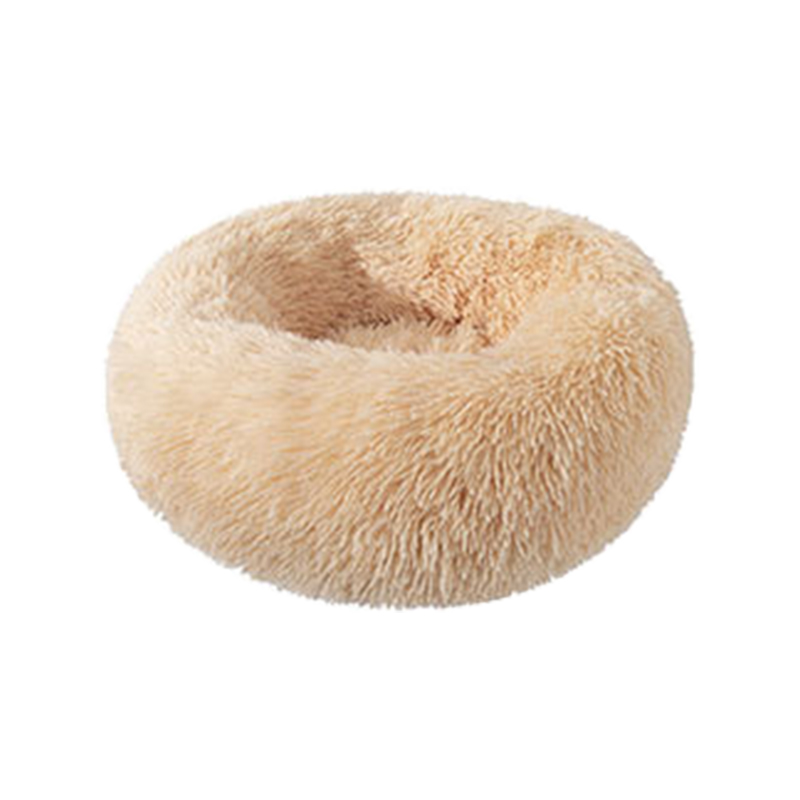
Enclosed or semi-enclosed designs (such as tent houses and nest-style beds) satisfy pets' denning instincts. Observations indicate that over 60% of felines prefer resting places with overhead cover, which significantly reduces anxiety levels—especially during thunderstorms or in unfamiliar environments. Dogs, while generally more adaptable, still benefit from defined resting territories that signal safety and ownership within the home hierarchy.
Home Environment Management
Dedicated bedding concentrates pet hair and dander, limiting dispersion across sofas and carpets. Removable, washable designs reduce cleaning frequency from multiple times per week to once every two weeks, substantially lowering household maintenance burden while reducing allergen accumulation in living spaces. For households with allergy-sensitive members, this containment effect can reduce airborne pet dander by up to 35% according to indoor air quality assessments.
Material and Construction Breakdown
Fill Material Comparison
| Material Type | Warmth Rating | Support Level | Lifespan | Best For |
|---|---|---|---|---|
| High-Density Sponge | Moderate | Strong | 3-5 Years | Daily Home Use |
| Long Plush Fiber | High | Low | 2-3 Years | Winter Warmth |
| Memory Foam Composite | Moderate | Very Strong | 4-6 Years | Senior Pets |
| Polyester Fiber Fill | Moderate | Moderate | 2-4 Years | Budget Option |
Surface Fabric Selection
Long plush is the dominant choice in premium pet bedding, with fiber lengths typically ranging from 15-25mm. Its texture closely mimics natural animal fur, providing effective emotional comfort. However, long plush dries slowly in humid conditions and is less suitable for regions with extended rainy seasons.
Short plush and corduroy offer easier daily maintenance and stronger stain resistance—ideal for active pets or outdoor use. Waterproof-coated fabrics (such as Oxford cloth composites) are primarily used in foldable outdoor models, preventing ground moisture penetration and extending internal fill longevity.
Product Matching by Usage Scenario
Everyday Indoor Use
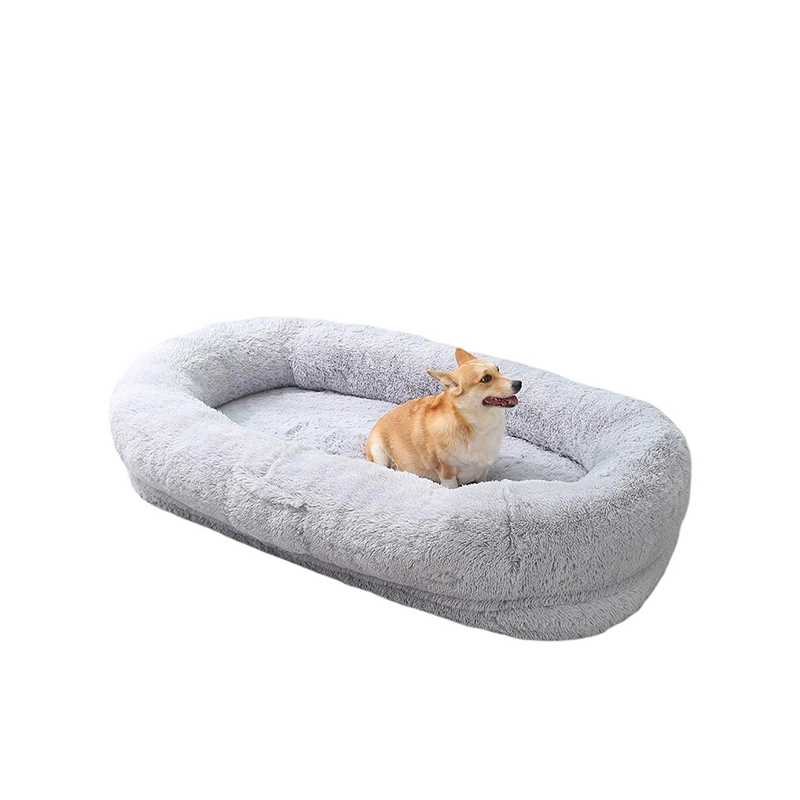
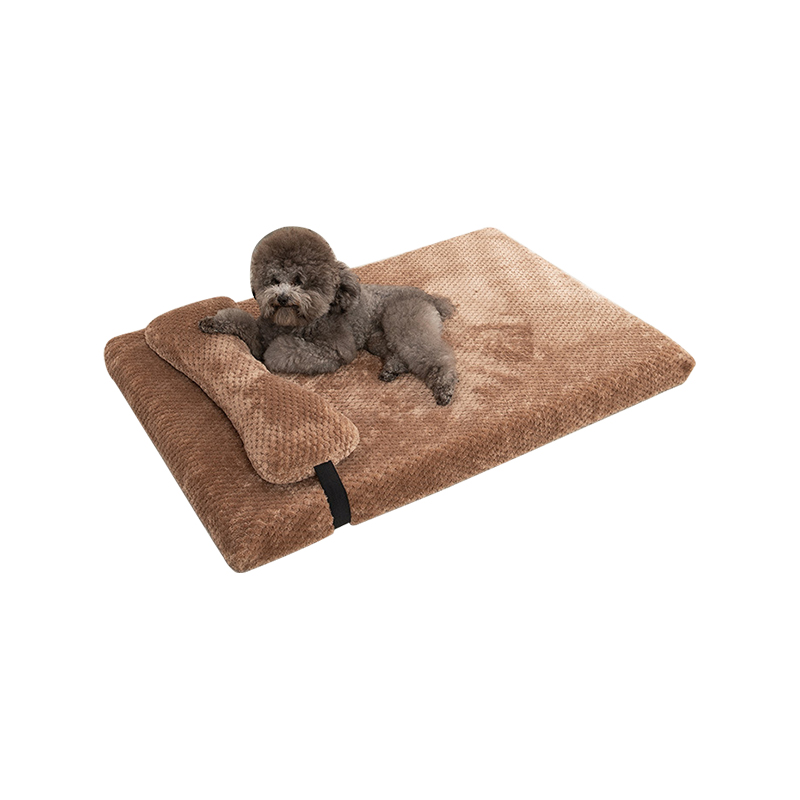
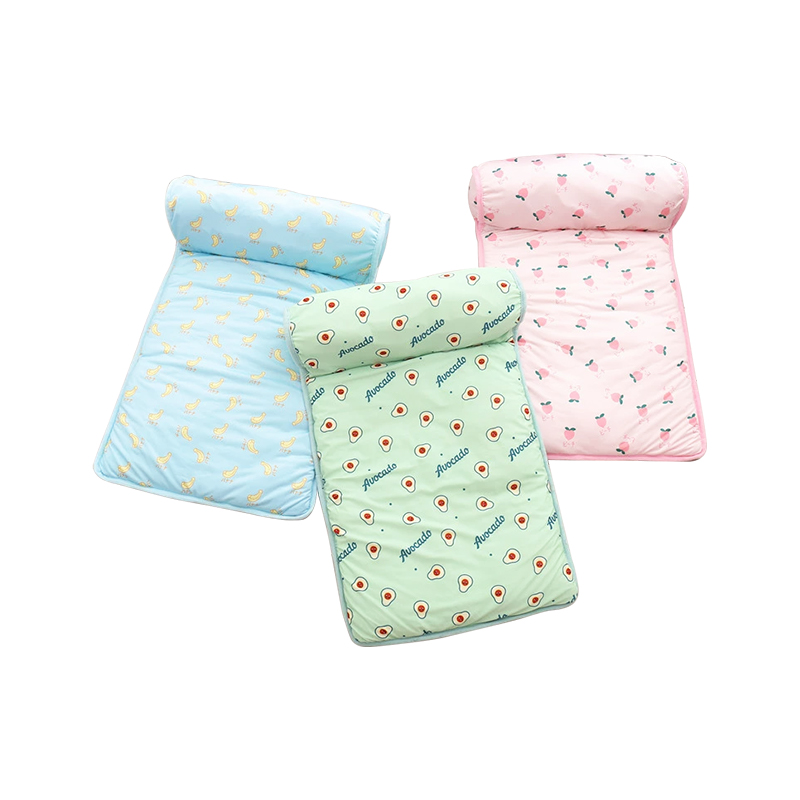
For fixed indoor placement, prioritize sofa-style or mat-style designs. These typically offer larger resting surfaces suited to pets that stretch out freely. Removable cover designs simplify cleaning—wash outer covers every two weeks and air-dry inner cores quarterly to maintain hygiene and extend service life.
Winter Warmth Requirements
When indoor temperatures drop below 15°C (59°F), standard mat-style bedding struggles to maintain adequate warmth. Enclosed nest designs or models with thickened plush layers become essential. Some advanced models incorporate self-heating reflective layers that return the pet's body heat to the surface—boosting thermal efficiency by approximately 30% without electrical power.
Travel and Outdoor Portability
Foldable construction is the core requirement for travel scenarios. Quality travel pet beds should fold down within 30 seconds to a volume no greater than 20% of their expanded size. Waterproof base fabrics handle grass dew or vehicle spills, while tent-style structures provide a familiar scent sanctuary in unfamiliar environments—significantly reducing travel-related anxiety.
Common Buying Mistakes to Avoid
Prioritizing Appearance Over Function
Many buyers select bedding based on color coordination with home décor rather than pet-specific needs. Aesthetic-focused designs often sacrifice critical features like non-slip bases, breathable side panels, or adequate fill density. Approximately 30% of returned pet bedding is attributed to pets refusing to use visually appealing but functionally inadequate products. Always verify that decorative elements do not create choking hazards or obstruct ventilation.
Ignoring the Non-Slip Base
Bedding that slides across hardwood or tile floors creates a safety hazard, particularly for senior pets or breeds prone to hip dysplasia. Quality models incorporate silicone dot patterns or rubberized mesh on the underside to maintain position stability. Testing shows that bedding without anti-slip features shifts an average of 15cm per night during normal repositioning, increasing joint strain and disrupting sleep continuity.
Overlooking Zipper Quality and Placement
Hidden zippers may look cleaner, but they complicate cover removal for washing. Exposed zippers, conversely, can scratch pet skin or snag on claws. The optimal design features recessed zipper tracks with fabric flaps that protect both the pet and the mechanism. YKK-style zippers withstand approximately 10,000 open-close cycles before failure, while generic alternatives often fail within 2,000 cycles under the stress of thick plush covers.
Seasonal Rotation Strategy
Spring and Summer Adjustments
As temperatures rise above 22°C (72°F), thick plush bedding can cause overheating. Transition to thinner mat-style designs with breathable cotton or mesh surfaces. Elevated cot-style beds improve air circulation underneath the body, reducing surface temperature by approximately 3-5°C compared to ground-level plush alternatives. This adjustment is particularly critical for brachycephalic breeds like Bulldogs and Pugs that struggle with thermoregulation.
Autumn and Winter Preparations
The transition to colder months should begin when nighttime temperatures consistently fall below 18°C (64°F). Inspect winter bedding for fill compression from the previous season—if thickness has decreased by more than 25%, replacement is advisable before peak cold arrives. Introduce enclosed designs gradually; some pets resist sudden transitions from open mats to cave-style structures. Placing familiar-scented blankets inside new winter bedding accelerates acceptance by 50-60% compared to introducing the item empty.
Cleaning, Maintenance, and Lifespan Management
Cleaning Frequency and Methods
Removable covers have become an industry standard. Outer covers should be machine-washed every 7-14 days using water below 30°C and neutral detergent. Inner sponge cores should not be washed frequently—vacuum with a mite-removal brush head quarterly and deep-clean no more than twice annually to preserve sponge elasticity.
Replacement Warning Signs
Consider replacing bedding when you observe the following:
- Visible fill compression with thickness reduced by more than 40% from original
- Fabric tears exposing fill material, creating ingestion hazards
- Persistent odors that survive washing, indicating bacterial penetration into the core
- Pet avoidance behavior, likely caused by degraded material texture
Tips for Extending Service Life
Rotate bedding regularly to distribute wear evenly—flip head-to-toe every two weeks. Place a non-slip mat underneath to prevent shifting friction and reduce bottom fabric abrasion. Maintaining a spare replacement cover allows alternating use, ensuring cleanliness while reducing wash-cycle wear on any single cover.
Sizing and Type Selection by Pet Characteristics
Body Size Matching Principles
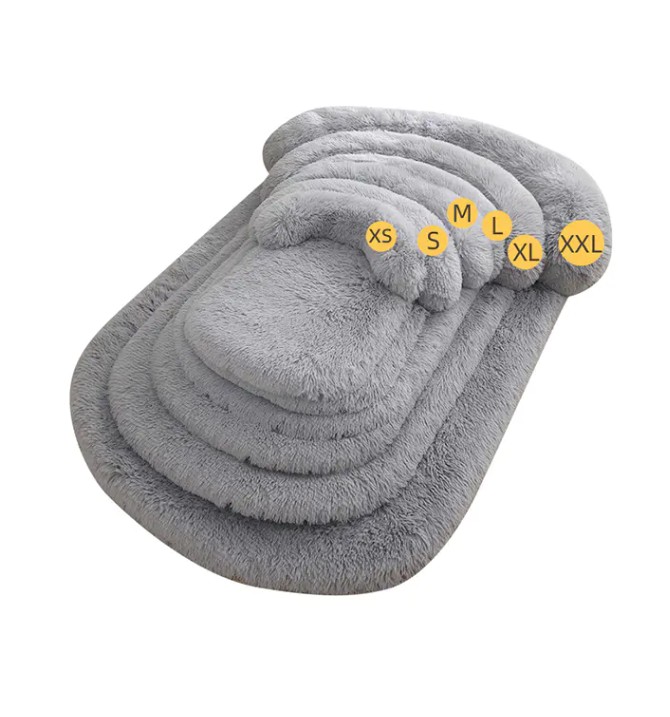
Bedding interior dimensions should be at least 1.2 times the pet's fully extended body length. For a typical medium-sized dog with an 80cm extended length, interior dimensions should not be smaller than 96cm. For cats that prefer curling up, circular nest interiors can be 10%-15% smaller than body length to enhance wrapping security.
Age and Health Condition Considerations
Young and senior pets have special bedding needs. Juveniles in teething phases should avoid tassels or easily chewed decorative components. Senior pets (dogs over 7 years, cats over 10 years) experience joint degradation—elevated designs should not exceed 15cm in height to prevent entry/exit difficulties and fall risk. Pets with arthritis benefit most from memory foam, whose slow-rebound properties effectively relieve pressure-point pain.
Multi-Pet Household Configuration
Multi-pet households should follow the N+1 principle: bedding quantity equals pet count plus one. This effectively reduces conflict over resource competition. In mixed cat-and-dog households, configure different bed types—cats prefer elevated enclosed nests while dogs favor ground-level open mats. Spatial layering through vertical arrangement promotes harmonious coexistence.
NEXT:How to Select and Maintain the Ideal Water Feeder for Your Dog and Cat?
Interested in cooperation or have questions?



Whether you need a personalized product or a professional design, our team will bring your ideas to life. Together, let's create a world where pets thrive and are happy!
-
 No.13-1, Haikou Village, Xidian Town, Ninghai Country, Ningbo, China.
 -
 +86 13867893287
 -
 [email protected]
Copyright © Ningbo Welltrop Industrial Products Manufacturing Co., Ltd. All Rights Reserved. China Pet Supplies Manufacturers Wholesale Pet Products Factory
