


 English
 Español
 عربى
عربى Deutsch
 русский
 Français
How to Select and Maintain the Ideal Water Feeder for Your Dog and Cat?
Content
- 1 Hydration Needs and Common Drinking Problems in Dogs and Cats
- 2 Main Types of Pet Water Feeders and Their Applicable Scenarios
- 3 Key Considerations When Choosing a Pet Water Feeder
- 4 Best Practices for Daily Use and Maintenance
- 5 Hydration Solutions for Special Scenarios
- 6 Summary and Action Recommendations
For dogs and cats, adequate daily water intake is the primary condition for maintaining health and vitality. Adult dogs require approximately 60-80 ml of water per kilogram of body weight daily, while adult cats need 40-60 ml. Selecting a water feeder that matches your pet's size, lifestyle, and home environment not only increases their willingness to drink but also effectively reduces the risk of urinary system diseases. Considering functionality and practicality, adjustable-height vertical water dispensers and automatic refill systems are currently the optimal solutions for household pet care.
Hydration Needs and Common Drinking Problems in Dogs and Cats
The Fundamental Role of Water in Pet Health
Water performs core functions in the bodies of dogs and cats, including transporting nutrients, regulating body temperature, promoting digestion, and excreting metabolic waste. Research indicates that cats with chronic insufficient water intake have approximately 3 times higher probability of developing cystitis and kidney stones, while dogs experiencing dehydration exceeding 15% can face life-threatening conditions. Therefore, ensuring pets have constant access to clean, fresh drinking water is a fundamental responsibility of every pet owner.
Hidden Risks of Traditional Water Bowls
Using ordinary open bowls presents multiple disadvantages: water quality is easily contaminated by airborne dust and bacteria; rapid evaporation during hot summer months may leave pets without accessible water; biofilm buildup at the bowl bottom increases the risk of gastrointestinal discomfort. Furthermore, cats are naturally attracted to flowing water sources, making static water bowls ineffective at stimulating their drinking interest—a key reason many household cats consume insufficient water.
Main Types of Pet Water Feeders and Their Applicable Scenarios
Based on structural design and usage scenarios, dog and cat water feeders can be categorized into the following types, each with unique functional positioning and target users:
| Type | Key Features | Suitable For | Typical Scenarios |
|---|---|---|---|
| Adjustable-Height Vertical Feeder | Height-adjustable, equipped with stainless steel or ceramic bowl, some with ball-bearing spout | Small to medium dogs, cats of all ages | Fixed indoor placement |
| Gravity Automatic Refill Dispenser | Uses gravity principle for automatic replenishment, large water capacity | Multi-pet households, large dogs | Daily home use, short absences |
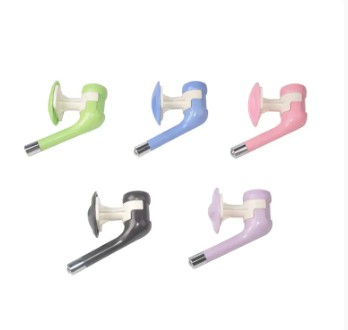
| Hanging Ball-Bearing Water Bottle | Mounts on cage walls, lick-activated dispensing, spill-proof | Caged pets, small dogs and cats | Pet cages, playpens, car travel |
| Portable Travel Water Bottle | All-in-one design with storage and drinking function, leak-proof seal | All dog and cat sizes | Outdoor walks, travel, camping |
| Integrated Water and Food Feeder | Combines water and food bowls, some with automatic food storage | Single or multi-pet households | Space-saving, unified management |
Structural Advantages of Vertical Water Feeders
Adjustable-height vertical water feeders are currently the most widely used type in household settings. Their design concept uses a telescopic pole structure to accommodate pets of different sizes: small dogs and cats suit lower heights, while large dogs require the spout raised to shoulder level to reduce cervical spine pressure from bending down. High-quality vertical feeders typically use food-grade ABS plastic for the main body, paired with 304 stainless steel or ceramic bowls, balancing durability and safety. Premium models feature ball-bearing dispensing mechanisms where pets release water with a gentle lick—maintaining water cleanliness while simulating natural flowing sources, significantly enhancing drinking interest.
Specific Value of Hanging Water Bottles
Hanging ball-bearing water bottles utilize stainless steel ball seals that release water only when pets lick the ball, automatically closing when not in use, achieving zero leakage and zero evaporation. This characteristic makes them ideal for caged environments, vehicle transport, and outdoor enclosure scenarios. Common hanging bottles range from 300 ml to 800 ml capacity, with transparent bodies allowing owners to monitor remaining water levels. Notably, pets new to these products may require a 1-3 day adaptation period; owners can facilitate learning by applying a small amount of wet food or broth to the ball to attract interest.
Key Considerations When Choosing a Pet Water Feeder
Material Safety and Durability
The material of a pet water feeder directly impacts long-term pet health. When purchasing, prioritize products made from food-grade safe materials such as food-grade ABS plastic, PP polypropylene, or TRITAN copolyester. For the water bowl itself, 304 stainless steel or ceramic is recommended—these materials have smooth surfaces that resist bacterial growth and withstand chewing and high-temperature disinfection. Avoid low-quality plastic products that may contain harmful substances like BPA and can shatter when chewed, creating ingestion hazards.
Capacity Matching and Refill Frequency
Feeder capacity should be determined by pet count, size, and owner refill frequency. For single cats, products with 500 ml to 1 liter capacity are recommended; medium dogs may consume 1-1.5 liters daily, requiring 2+ liter capacity or automatic refill models; multi-pet households should consider 3+ liter options. It is important to emphasize that even with large-capacity automatic feeders, water should be changed and containers cleaned every 24 hours to maximize freshness.
Cleaning Convenience and Structural Design
Easy disassembly and cleaning are crucial for long-term use. An ideal water feeder should feature:
- Fully detachable water bowl from the main unit for separate cleaning and disinfection
- Simple water channel design with no dead corners, allowing brush access for thorough cleaning
- Stable, non-slip base to prevent tipping during drinking
- Transparent water reservoir for intuitive monitoring of remaining volume and water quality
Best Practices for Daily Use and Maintenance
Standard Cleaning and Disinfection Protocol
Cleaning frequency directly impacts pet health. Establish the following maintenance routine:
- Daily: Discard remaining water and rinse the bowl and spout with warm water
- Weekly: Perform deep cleaning using pet-safe disinfectant or diluted white vinegar solution, soaking all components for 10 minutes
- Monthly: Inspect wear-prone parts such as balls and seals, replacing any showing aging or deformation
- Avoid chlorine bleach or strong acid/alkali cleaners to prevent chemical residue
Guiding Pets to Adapt to New Water Feeders
Some pets, particularly adult cats, may initially resist new water feeders. Effective acclimation methods include: placing the new feeder near the original water location while retaining the old bowl for 1-2 weeks as transition; adding small amounts of liquid treats or broth to the new feeder to increase appeal; for ball-bearing models, manually tapping the ball to release water droplets, encouraging pets to observe and imitate. The vast majority of pets fully adapt to new drinking methods within 3-7 days.
Hydration Solutions for Special Scenarios
Configuration Strategy for Multi-Pet Households
In multi-pet environments, adequate water resource distribution is particularly important. Follow the "N+1" principle: number of pets plus one drinking station. For example, households with two cats should prepare at least three water locations distributed across different rooms to prevent drinking conflicts due to territorial behavior. For households with both dogs and cats, considering that dogs consume more water and may create wet areas, configure large-capacity vertical feeders for dogs and independent hanging or small vertical feeders for cats.
Portable Solutions for Outdoor Activities and Travel
Portable travel water bottles are the optimal tool for outdoor hydration needs. Quality portable bottles should feature: one-button lid opening for one-handed operation; integrated drinking trough eliminating need for separate bowls; excellent sealing performance with zero leakage when inverted; capacity between 300-550 ml balancing portability and practicality. During hot summer outings, use insulated bags with portable bottles to ensure appropriate water temperature. Provide drinking opportunities every 30 minutes during outdoor activities to prevent pets from neglecting hydration while excited during play.
Summary and Action Recommendations
Selecting and configuring appropriate water feeders for dogs and cats is an effective means of preventing urinary system diseases and enhancing pet quality of life. Considering safety, functionality, and convenience, adjustable-height vertical feeders are recommended for fixed home scenarios, hanging ball-bearing bottles for caged or travel scenarios, and portable travel bottles for outdoor activities. Regardless of type chosen, maintaining daily water changes, regular disinfection, and monitoring pet water intake changes will maximize feeder value and safeguard pet health and growth.
NEXT:What's Driving the Evolution of Dog Leashes & Harnesses?
Interested in cooperation or have questions?


Whether you need a personalized product or a professional design, our team will bring your ideas to life. Together, let's create a world where pets thrive and are happy!
-
 No.13-1, Haikou Village, Xidian Town, Ninghai Country, Ningbo, China.
 -
 +86 13867893287
 -
 [email protected]
Copyright © Ningbo Welltrop Industrial Products Manufacturing Co., Ltd. All Rights Reserved. China Pet Supplies Manufacturers Wholesale Pet Products Factory
