


 English
 Español
 عربى
عربى Deutsch
 русский
 Français
Ningbo Welltrop Industrial Products Manufacturing Co., Ltd. is a professional China OEM Dog & Cat Pet Clothes Suppliers and ODM Dog Cat Clothes Company, We are dedicated to designing, developing, and manufacturing high-quality pet supplies that bring joy and comfort to both pets and their owners. Our mission is to create innovative and practical products that enhance the well-being of your beloved companions, ensuring they feel loved, warm, and happy.
Our products include pet beds, pet clothes, pet grooming and cleaning supplies, pet toys and movement products, treats and feeding supplies, leashes and harnesses, etc.Our facility houses advanced production divisions, including injection molding, metal processing, and sewing workshops.
With a team of over 110 skilled employees, we combine expertise and efficiency to deliver high-quality products across multiple industries.Whether you need personalized products or specialized designs, our team is here to bring your ideas to life.Together, let’s create a world where pets thrive and happiness abounds!
-
 View More
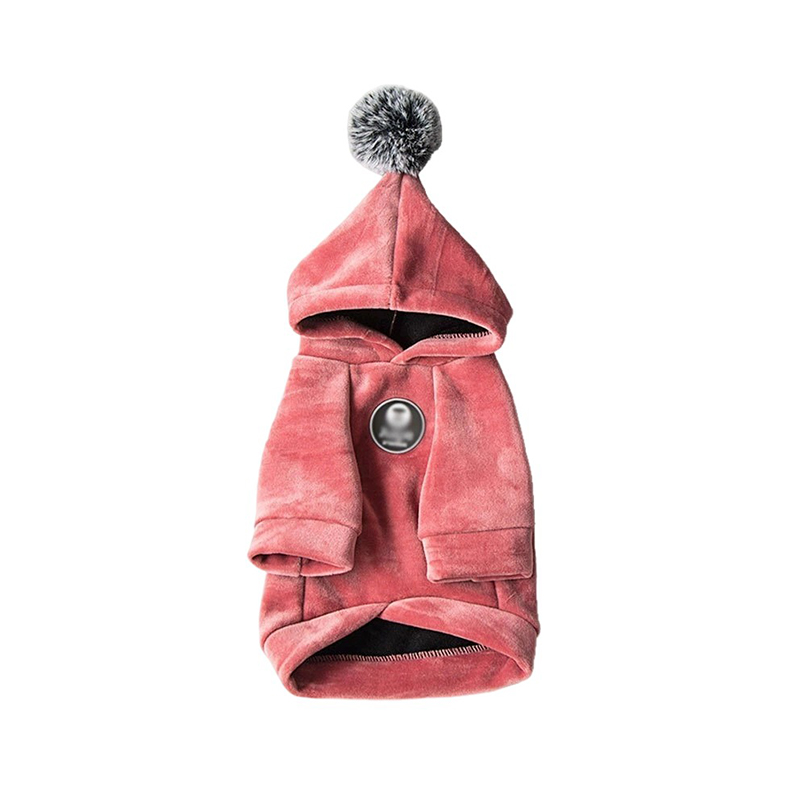
  WT01027Dog pet winter jacket coat Clothes Our dog pet winter jacket coat is specially designed for dogs and cats which providing ultimate comf...
 -
 View More
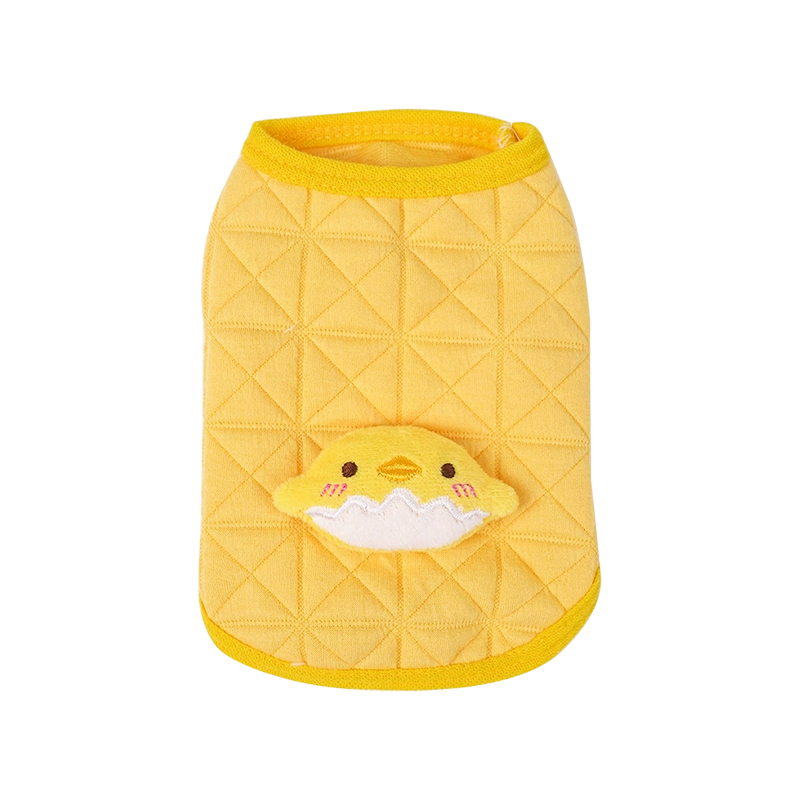
WT01028Puppy dog mini size clothes Puppy dog mini size clothes are specially designed for pug dogs and cats, which are small and need s...
View More
WT01028Puppy dog mini size clothes Puppy dog mini size clothes are specially designed for pug dogs and cats, which are small and need s... -
 View More
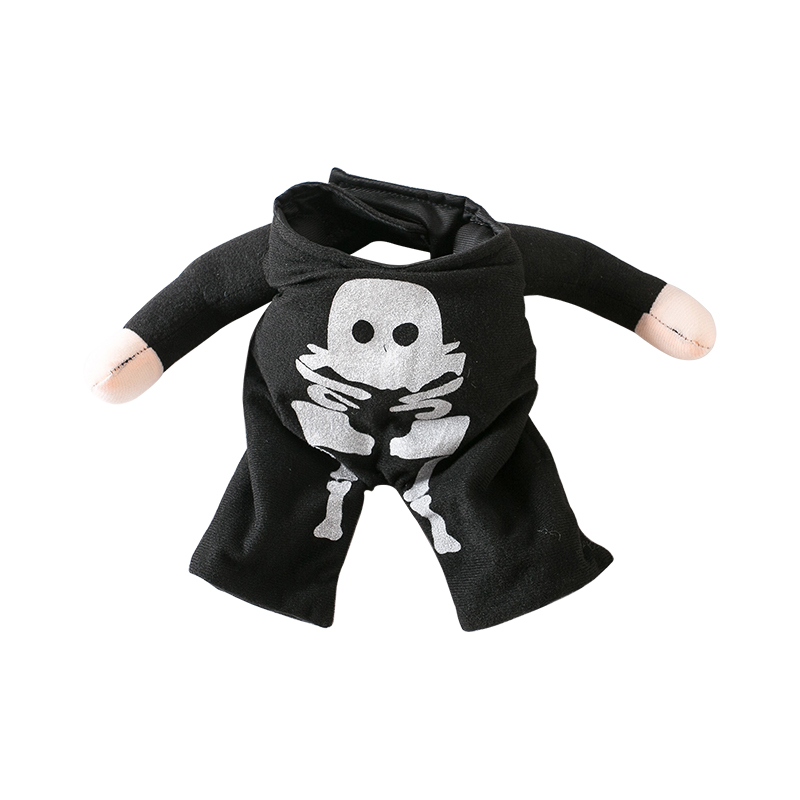
WT01029Halloween funny horror dog cat clothes Our Halloween funny horror dog and cat clothes will transform your furry pet friend into the star of...
View More
WT01029Halloween funny horror dog cat clothes Our Halloween funny horror dog and cat clothes will transform your furry pet friend into the star of...


 No.13-1, Haikou Village, Xidian Town, Ninghai Country, Ningbo, China.
  +86 13867893287
